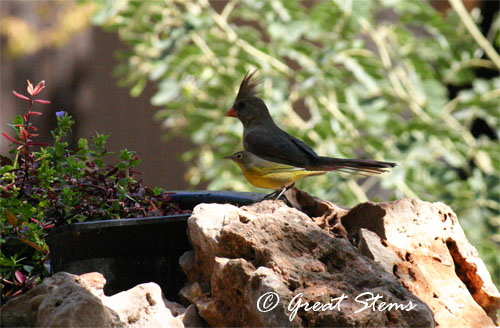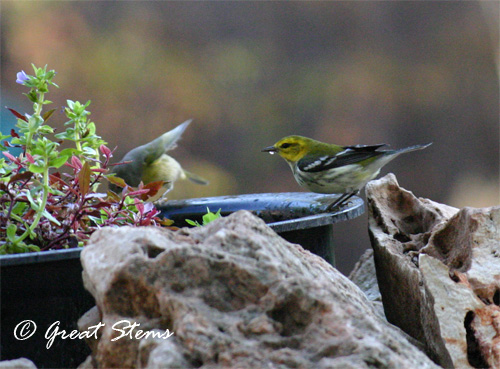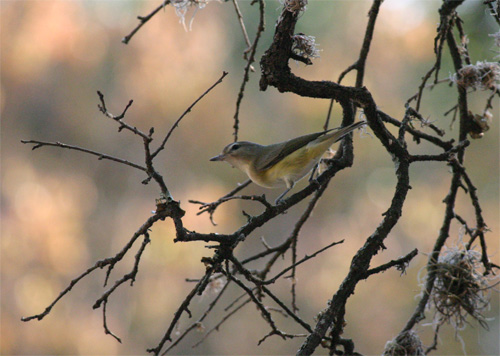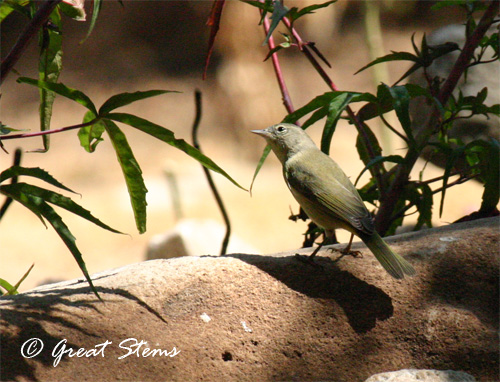
It's a funny thing how nature works. Last year we had one of the worst droughts in recorded Texas history, and this year we have some of the best wildlife viewing. In fact, 2011 was so empty of caterpillars, butterflies, and other insects that I had great concern for many of our birds, spiders, reptiles, and other wildlife that are dependent on such invertebrates. But this year, after having a reasonable amount of fall and winter rain, we've seen an amazing number of caterpillars of all species and with them a tremendous explosion of butterflies and moths. What that means is that we'll also have lots of baby birds this season, all things considered, and hopefully lots of other creatures. Needless to say, I'm having fun in the wildlife garden - so much to watch!
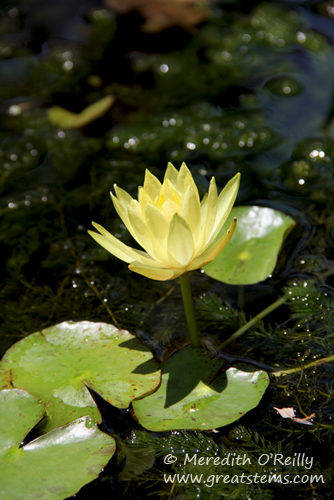 Yellow Water Lily
This spring has marked a number of firsts for our relatively young garden (I'm going to call it young until it has reached its fifth birthday). Our native Yellow Water Lily is blooming at last. I have waited such a long time for it to do so, though to be fair, it's certainly possible that it has bloomed without me knowing it. My White Water Lily still hasn't bloomed yet, as far as I know, but I shall remain hopeful!
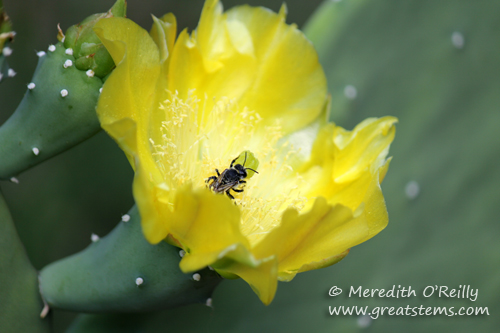 Spineless Prickly Pear
We were getting worried that our Spineless Prickly Pear would never bloom, but lo and behold, it's in bloom right now. Sure enough, bees and flies and other insects are getting drunk on that delicious Opuntia nectar!
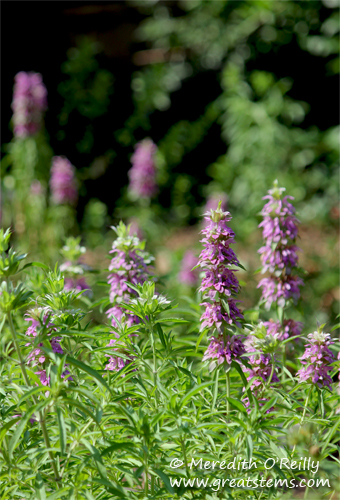
Horsemint
Horsemint, Coreopsis, Black-eyed Susan, and Pincushion Daisy are all in bloom in the garden for the first time. Were those in seed mixes I'd spread around? Or did the birds deliver them? I'd think the first, except that Horsemint and Coreopsis also happen to be growing at the entrance to our subdivision. Hmmmm. The other two are probably just all me.
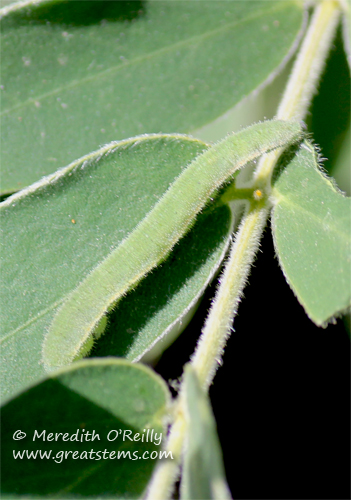
Sleepy Orange caterpillar -- I love how it blends with the fuzzy Lindheimer's Senna leaves
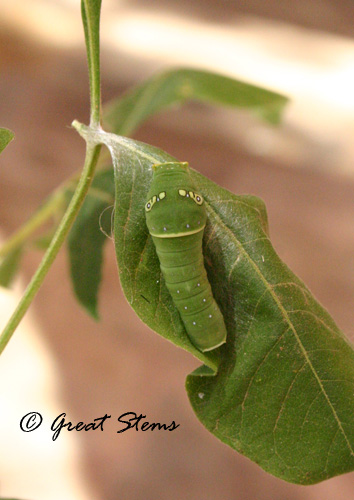
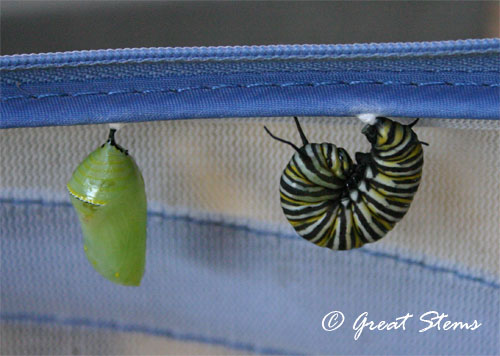
Caterpillars I've longed for but hadn't yet seen munching on the plants we'd planted for them are at last here. With luck, they'll return as adults to lay more eggs. Pipevine caterpillars, previously present only from eggs brought home on nursery plants, have officially appeared as the result of a visiting female Pipevine Swallowtail. Sleepy Orange caterpillars have been munching on our Lindheimer's Senna, but with all the other Sulphur butterflies fluttering about, I expect there will be more.
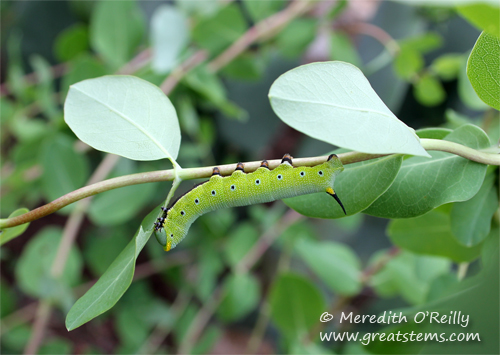
Snowberry Clearwing caterpillar on White Honeysuckle
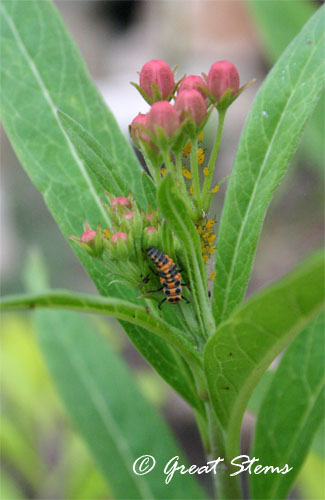
Butterfly caterpillars aren't the only ones in great numbers. Snowberry Clearwing caterpillars, complete with the "horns" consistent with their family, have been happily grazing on the White Honeysuckle Shrub. Lots of unnamed but equally welcome moth caterpillars have been seen in trees, on shrubs, on grasses, on veggies, and perennials. That means it should be a good food year for bats and owls and swallows and the like!
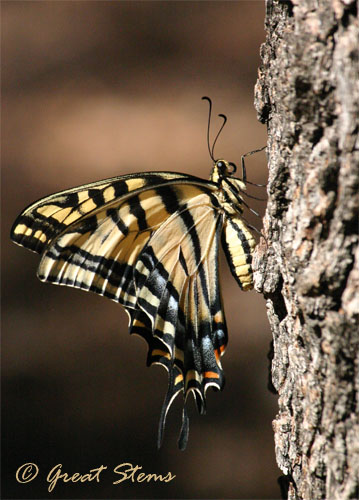
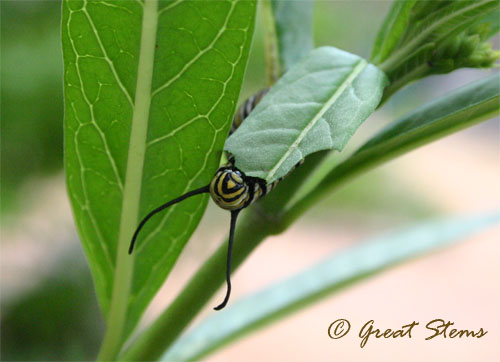
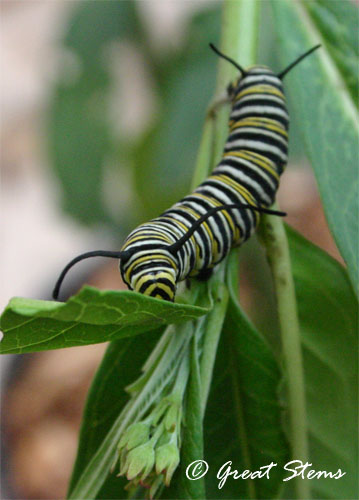
The Monarchs and Queens have returned, as have the Black Swallowtails, I report with relief. I'll feel much better once I see Giant Swallowtails and Tigers again, along with other Swallowtail species of which I am quite fond. And I think we've all been impressed by the showing of Red Admirals this year! Painted Ladies, Buckeyes, Question Marks, Checkerspots, Gulf Fritillaries - oh the list goes on.
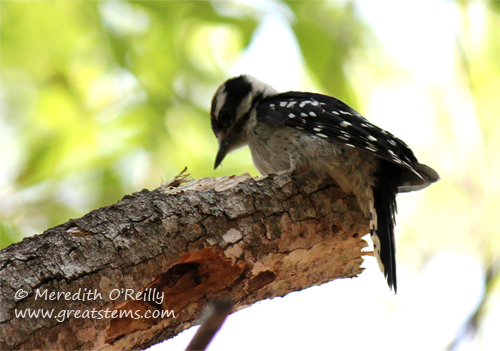
Downy Woodpecker collecting insects
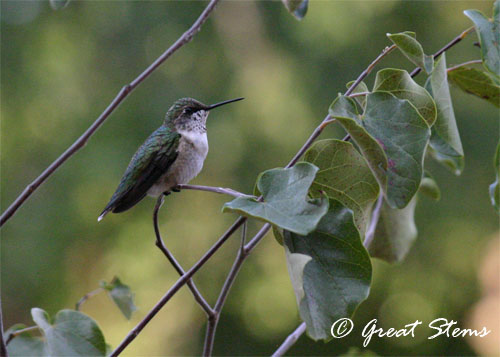
Our Mama Eastern Screech Owl returned to our backyard, and last night I saw an owlet shyly peering down at me from its nesting box. Baby birds are starting to fledge right and left, and we're watching parent birds teaching their young how to find food. The toads are singing their nightly mating calls. And today for the first time, I watched a Downy Woodpecker feed insects from an old limb to another Downy Woodpecker on a nearby branch. Cute as can be! It's a good spring. Thank goodness!
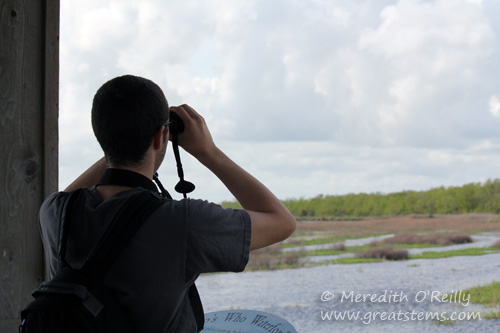 We wanted to visit a wildife refuge in Louisiana to get an idea of environmental differences between it and Florida -- and if we had an opportunity, to sneak in a glimpse of the coast. The answer -- the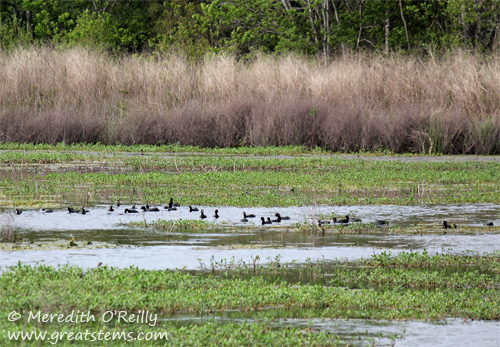
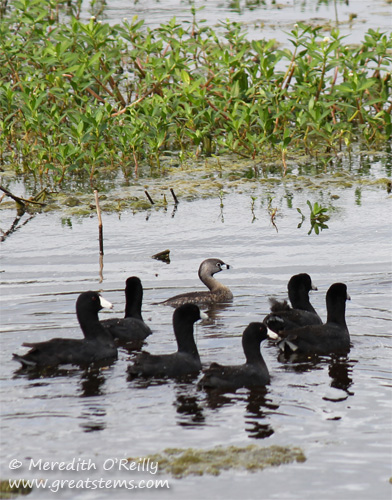
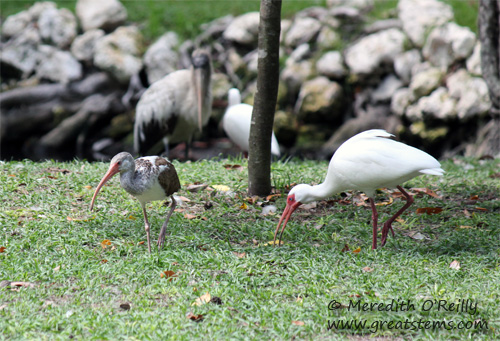
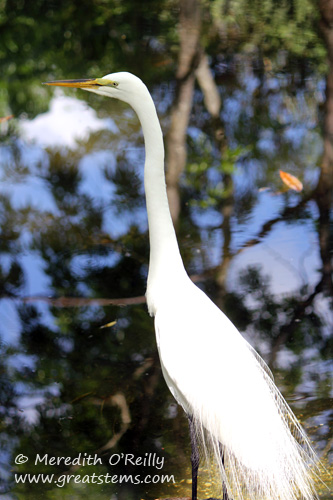
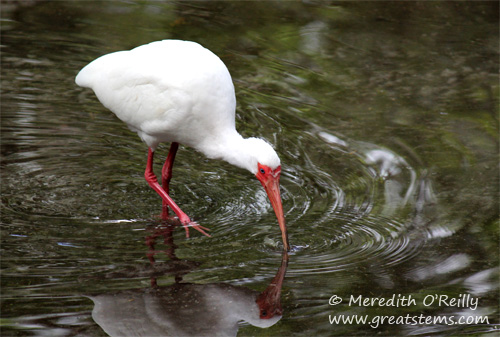
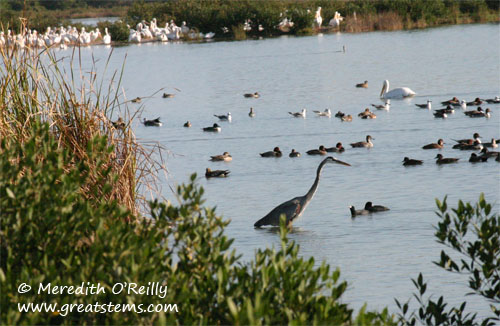
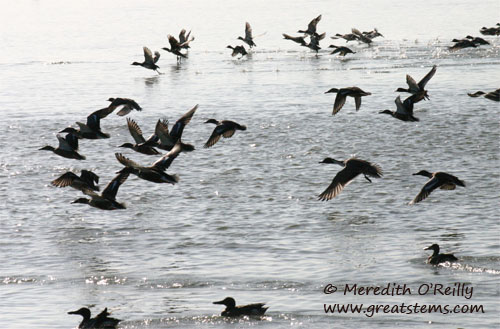
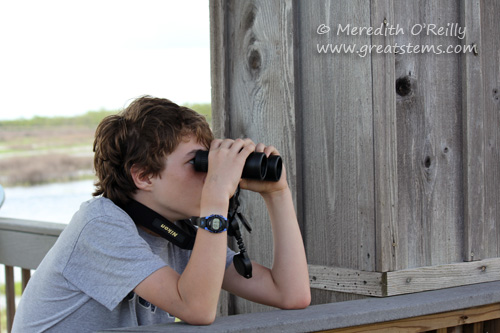 A boardwalk and observation deck make it easy to look search for water-loving birds, and we observed White Ibises, different species of ducks, Great Egrets, Coots, Grebes, Great Blue Herons, and others.
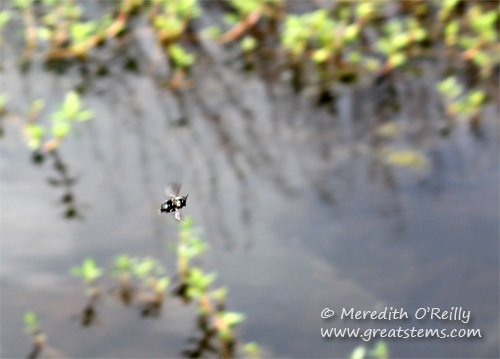 Carpenter Bee -- it's very difficult to capture an image of this fast-flying insect!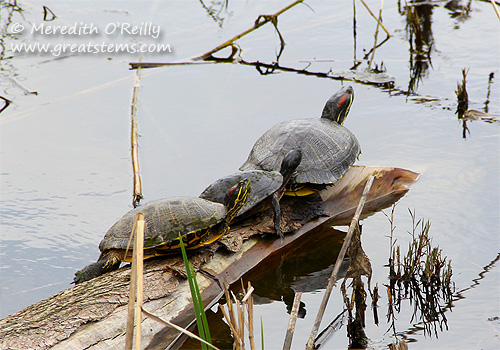
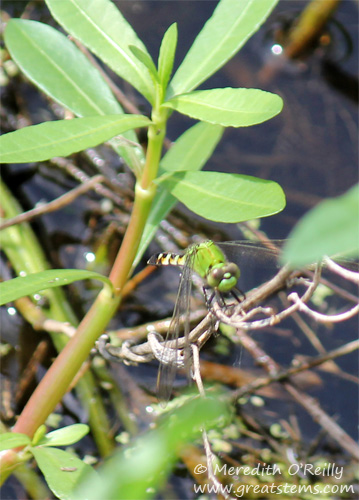
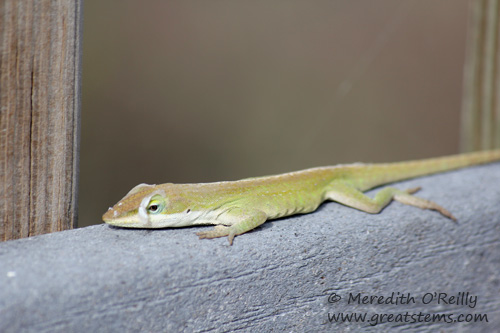
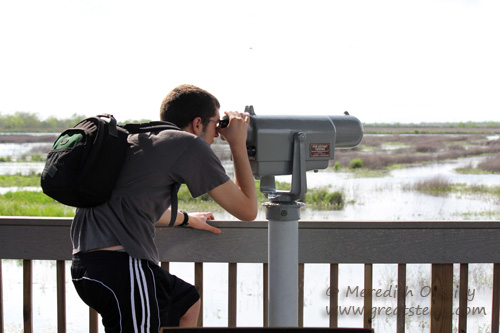 The boys, throughout our entire trip, were quite the naturalists, and they were excellent at both finding and IDing wildlife species -- Louisiana was no exception.
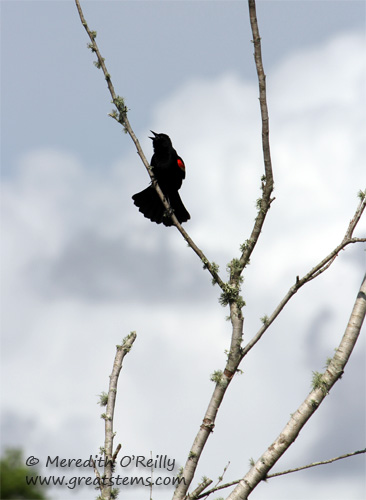 The Red-Winged Blackbirds were the most plentiful birds we saw in southwestern Louisiana. Great numbers of large flocks were spotted time and again throughout the marshland and agricultural areas we visited.
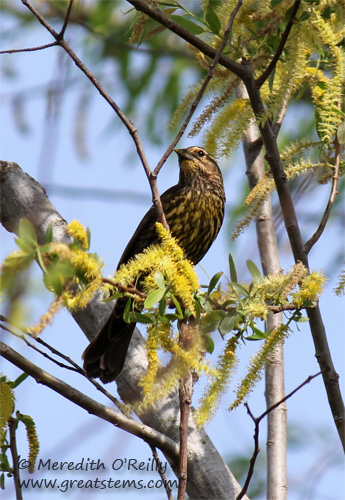 Female Red-Winged Blackbird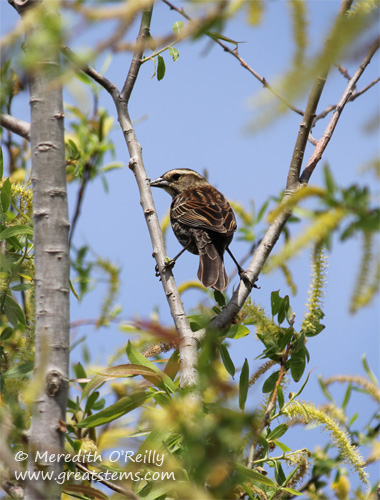
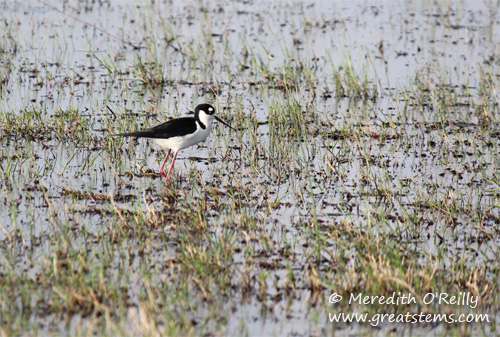 Black-Necked Stilt
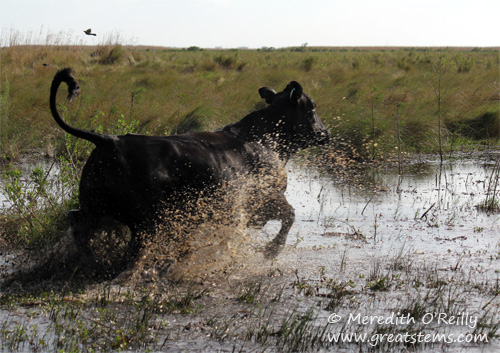 Ah, but we had adventures yet to come. We found that the maps we had and the roadway signs left something to be desired as we traveled that day in Louisiana. Trying to visit a particularly spot along the trail, we made a wrong turn, through no fault of our own (seriously), and after driving a bit we found ourselves on a road lined with curious cattle who splashed through the marshland to come over to see us. In moments lots of cows surrounded our Civic Hybrid, and those big cows made our little car seem smaller than ever.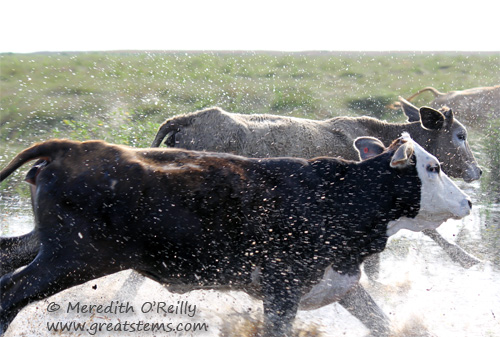
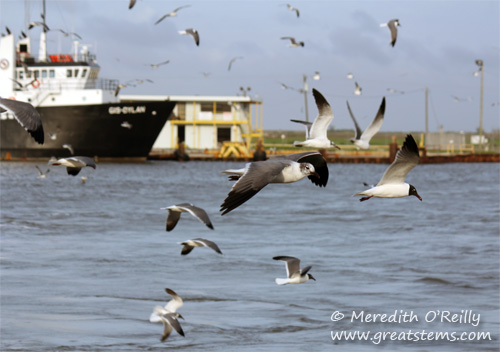 Back on the proper road, we continued to discover more reasons to gripe about the maps and lack of decent road signs, but eventually we found ourselves at a ferry, which takes cars across a ship channel to another portion of the highway. Even there at the ferry, we had sign issues. There was a sign and painted road marks showing where to stop to await the ferry, but there was no sign telling us that after 5pm you needed to drive over to another place in order to get on the ferry. So the driver of the car in front of us waited at the posted place, and we waited behind him, and time tick-tocked and tick-tocked, until a local resident drove up and said, "Hey, after 5pm you have to go over THERE to get on the ferry," pointing to some place not visible from where we sat. Thank goodness he said something or we might still be at that stop sign waiting for the ferry.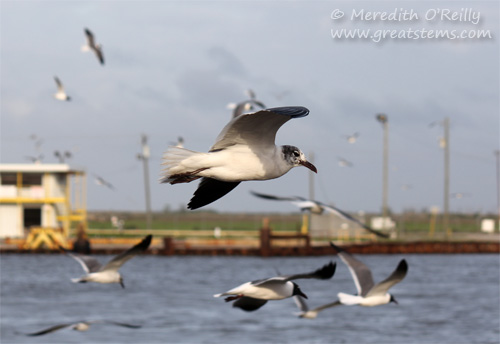
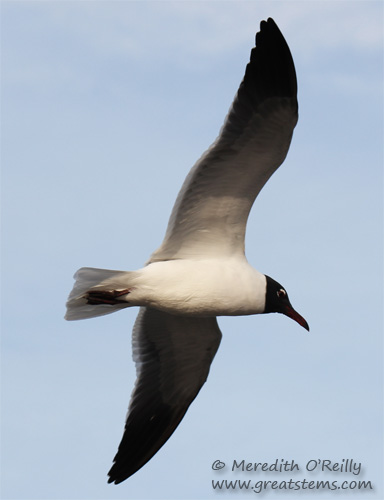 The gulls in particular followed the ferry en masse, hovering just off the back as the waters churned around us. Perhaps they hoped some people would toss them food, but they honestly didn't seem interested in the humans on the ferry -- maybe instead they were hoping to spot some fish in the waters behind the boat.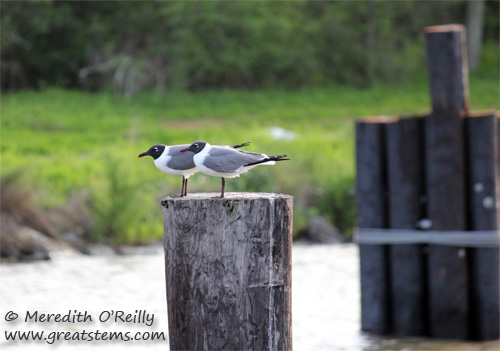
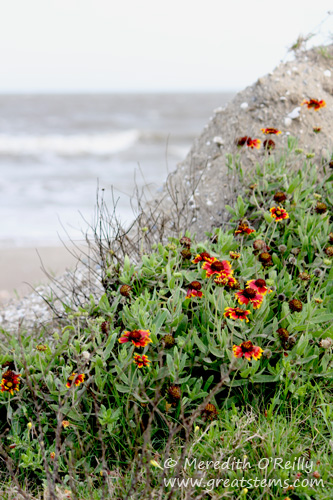 Soon after the ferry ride, we found ourselves driving along the beach. We pulled over to look for shells and found them we did -- many were huge!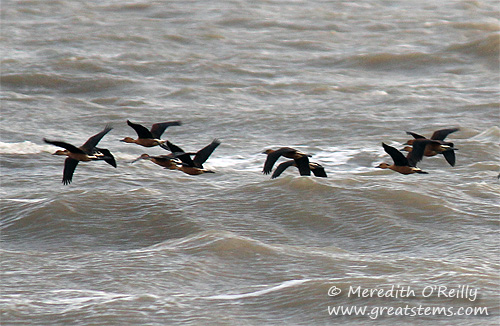
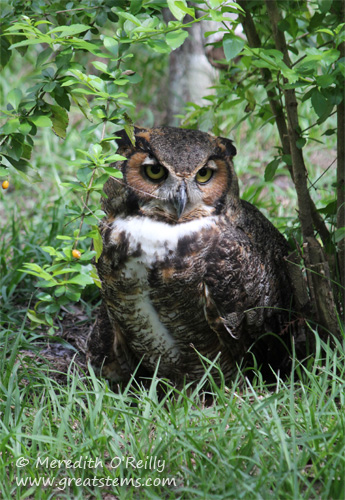
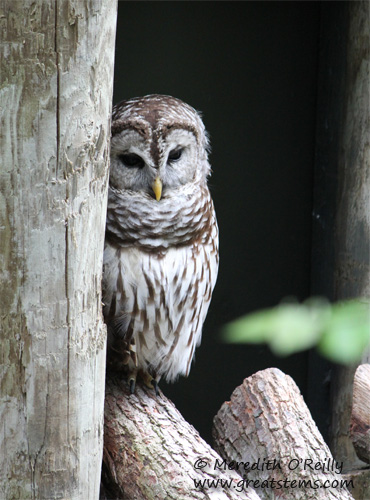 Barred Owl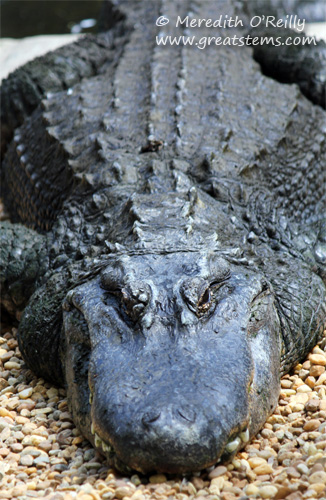
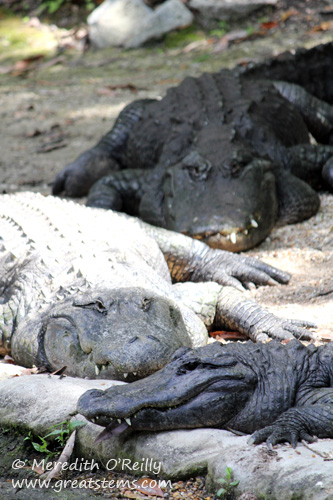
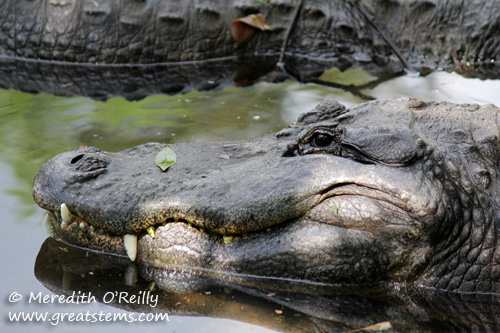
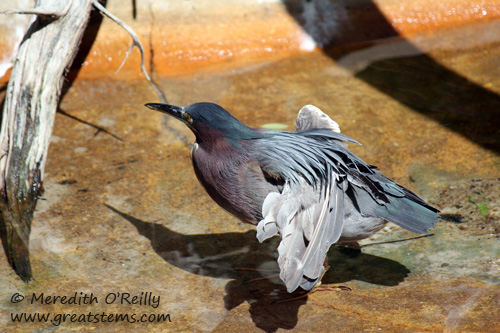 This Green Heron has a severe wing injury, and lucky for it, it has a home at the state park.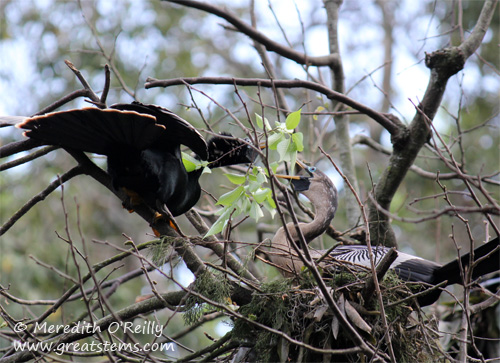
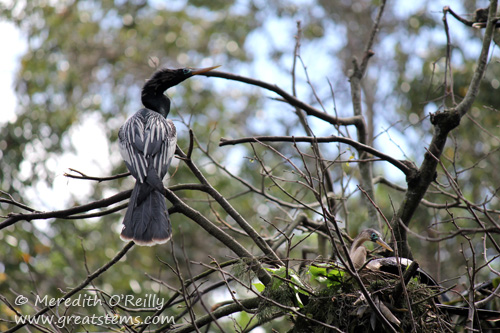 Eventually he got the branch in an acceptable spot.
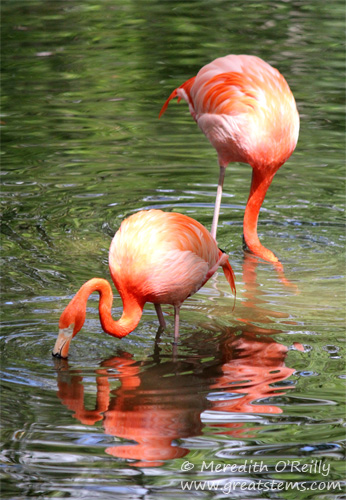
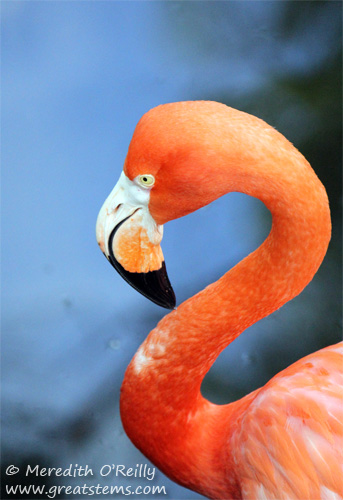 Flamingo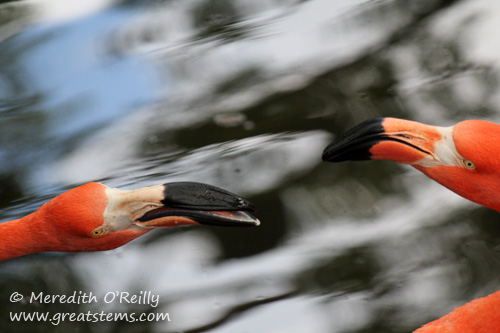
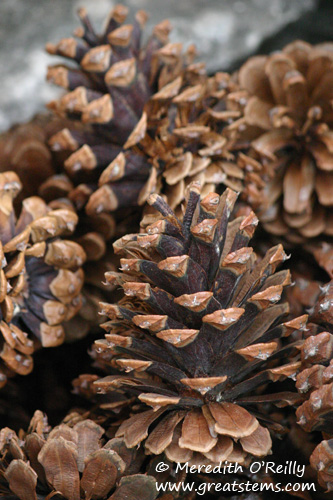
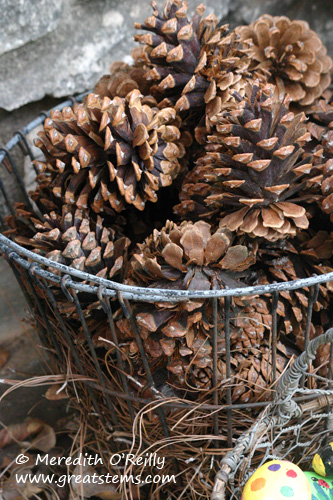
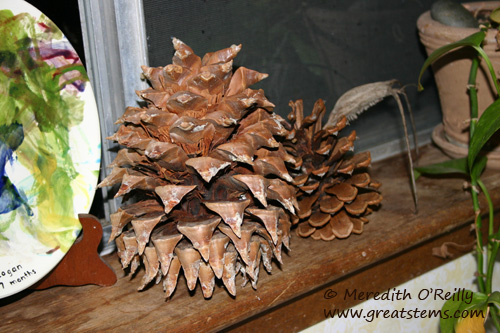 I know there are too many pine cones in this wonderful bounty for one wildlife-loving family to use. I'll likely share some with the kids I work with and with other wildlife gardeners, so they can make their own feeders. I've decided, though, that the giant pine cone shall remain peanut-butter free. It will be too much fun to show it to kids at a nature talk.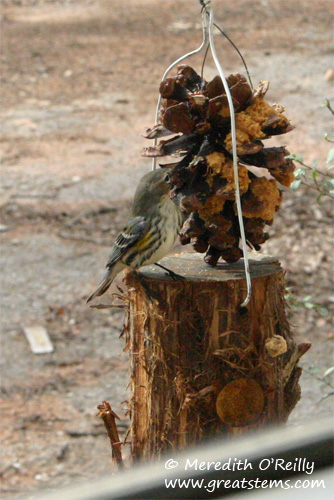
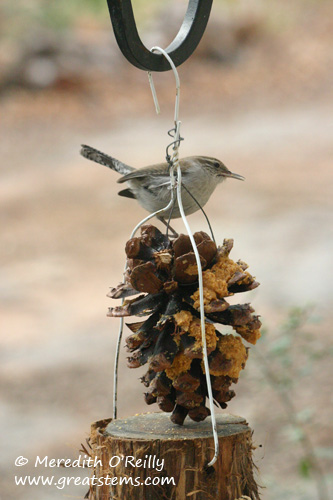
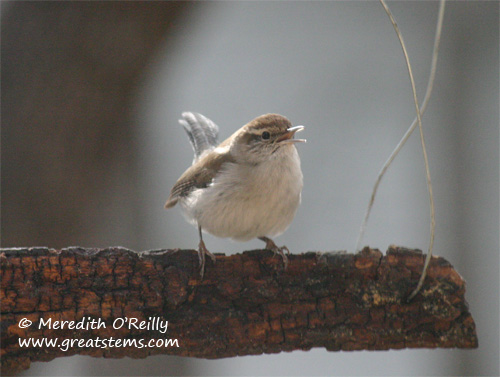
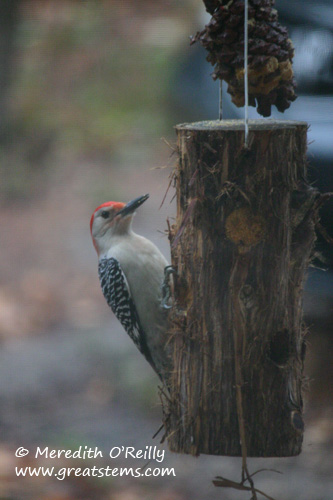
 Here's Great Stems' 12 Days of Christmas song, inspired by our Winter 2011 wildlife:
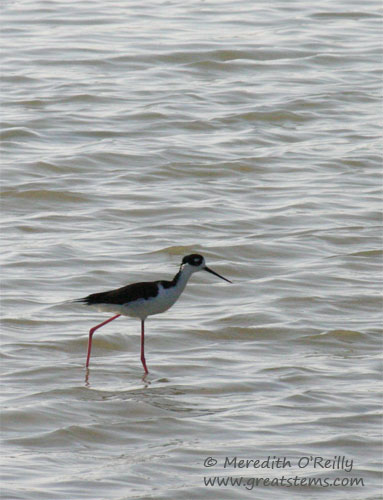 Black-Necked Stilt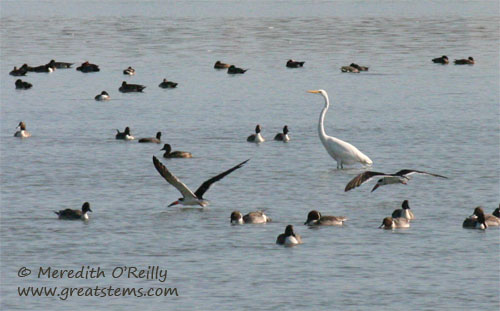
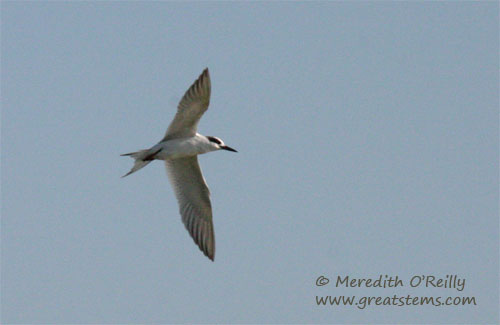 A Least Tern periodically hovered in the sky near us. It was quite vocal, too.