And the mistakes I've made, SO FAR.
Here's what I did wrong. I'm going to be happy that this list, as far as I'm aware, is short.
1. I grew cantaloupe from the seeds of store-bought cantaloupes. To be fair to myself, I didn't know any better! So don't do the same thing -- sure it's tempting, but hybrids, if you bought one from the store (most of them are hybrids, apparently), will give you heartache or at least some stress. Read on to find out why. To those I gave seedlings, I will report my findings as I find them out, and I greatly apologize for any grief you experience!
2. I took a picture of the giant grasshopper, and it got away. I'm still kicking myself about this one, and it only happened yesterday. The babies are hard enough to catch. If you see a big one, don't try to capture the awe in regards to its size or even impressive markings. Just kill it. It will eat and make babies. Something eats bits of my corn, and I blame him. Or them.
Here's what I'm doing right (again, as far as I'm aware). Top-Ten List! Top-Ten List That's Really in No Particular Order!
10. I gave my cantaloupe seedlings a raised bed and trellis in which to grow to their heart's content without getting trampled by dogs.
9. I learned about square-foot gardening and went ahead and spent the big bucks to give them a good soil in which to grow. Even the in-ground pumpkins got a healthy dose of compost mixed into their soil spots.
8. I lovingly give them water each day, and I know to hold back on water as fruit maturity begins to happen.
7. I learned the difference between male and female flowers and what "self-fertile but not self-fertilizing" plants are.
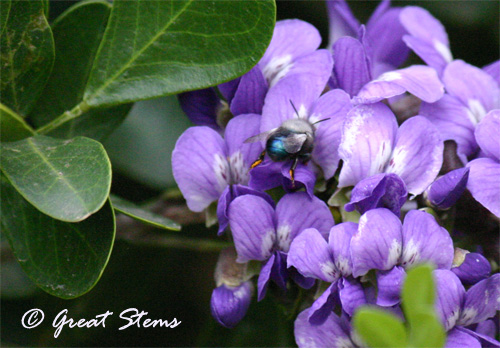
6. I learned about and am quite willing to help my cantaloupes' pollination. I don't have many bees here yet, so I have to do what I can to help (I did see one of those big black ones this morning, but he didn't linger long at the cantaloupe flowers; I also see an occasional sweat bee).
5. I check them each day for bugs and kill anything that looks menacing. Unless it gets away while I'm taking a picture, that is...
4. I'm being a good mom by growing the cantaloupes at my son's request, and along the way I get to teach my kids about plant life cycles and good gardening practices (and/or my mistakes!).
3. I gently guide the cantaloupe vines up the trellis to give them something to hang on to.
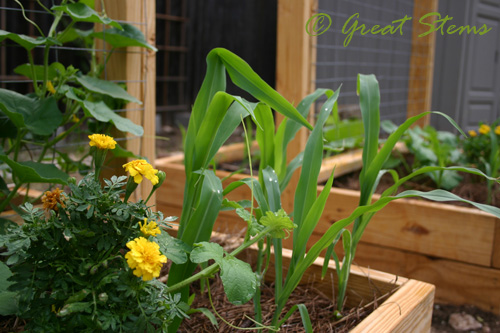
2. I learned about companion planting and put in marigolds and corn in their raised bed.
1. And most importantly, I love them and talk to them and love them some more!
And there you have it. I'm so excited to have thriving cantaloupe plants, but I'm worried that I'm growing a hybrid. So I'm seeking words of wisdom from the experienced cantaloupe gardeners out there! And Cat at AmloFarms has some blooming male flowers (from REAL seeds) she can share with me for pollination purposes. This cantaloupe thing is getting pretty complicated, haha. But for the sake of my cantaloupes, I will drive across town and back! Thank you, Cat!
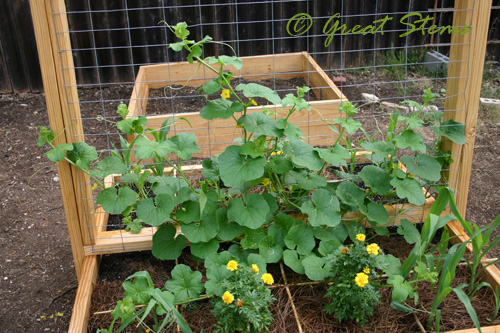
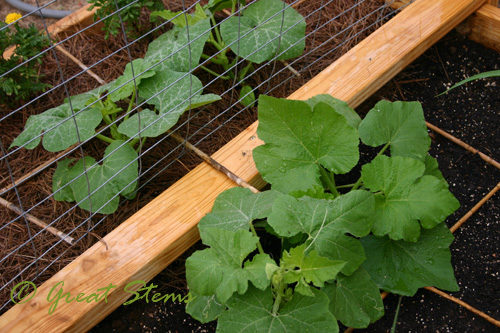
The cantaloupes are happily growing up their trellis and trying to grow out wide, too.
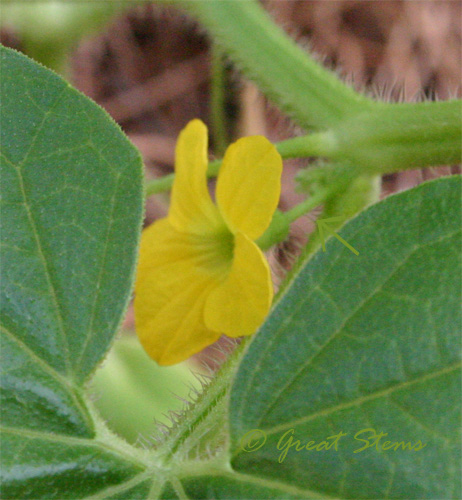
We've had male flowers for awhile, and today (day 38) I found my first female. Here's how you tell the difference. The easiest way is looking at the flower stem.
The male rises from the vine with a single plain stem of its own.
 The female has a cute little bulge that will become the fruit if pollinated.
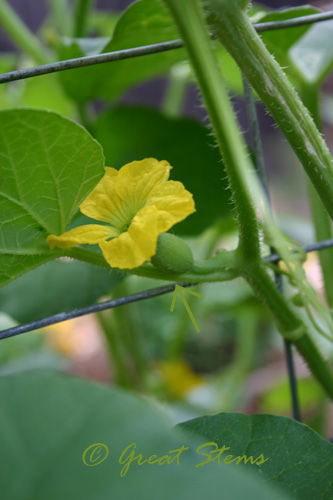
Here's a baby female bud.
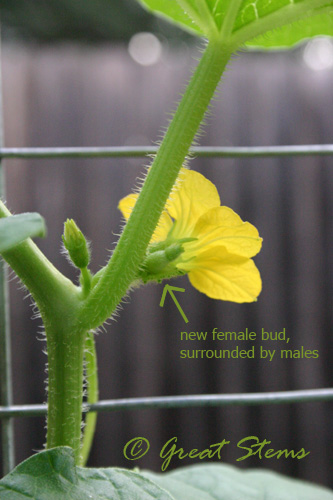 You can also tell the difference by looking at the inside of the bloom, but here's where I'm unsure about the condition of the inside of my cantaloupe blooms. The male stamens will have pollen, but I can't tell whether mine do, haha.
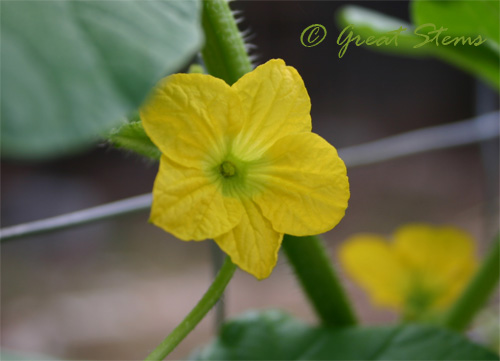 And the females will have their stigma ready to receive pollen. But mine look quite green, so I don't know if mine look the way they should (I've seen pics with them yellow).
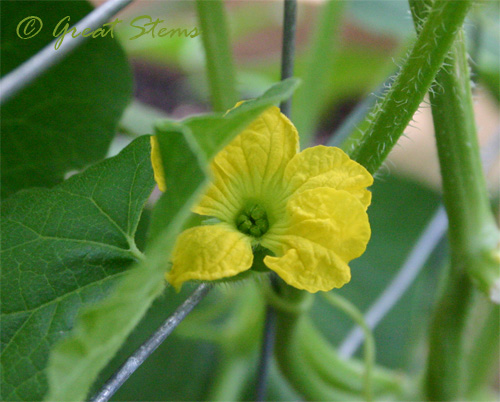 All the same, I did my best to get some pollen from the male to the female. At first I tried q-tips and a paintbrush, but I saw hardly any yellow on either. So I finally pulled off some male flowers and exposed their stamens and rubbed them on the female.
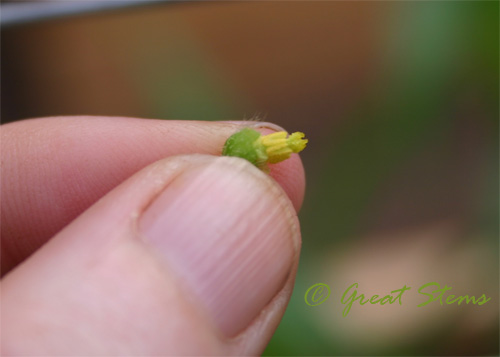
No idea whether any pollen grains stuck.
So experienced cantaloupe gardeners, should I be seeing lots of yellow pollen on the males? The male pumpkin flower (just saw my first two today!) has a lot of pollen, that's for sure. And ants. First blooms, day 38.
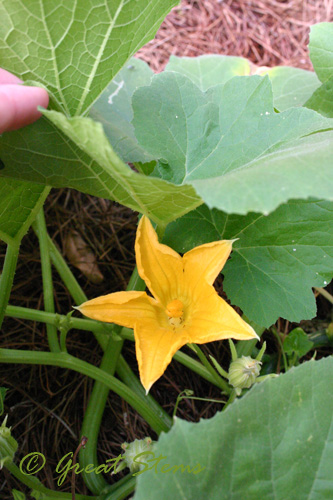
Here's one of the giant plants. They have a long way to go to reach full size. Egads.
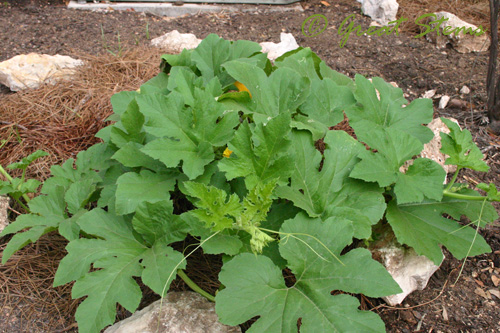 From what I've read, if I read correctly, the female flowers should be ok and just the males might be sterile. But I don't know whether the females are sometimes sterile, too. And even if pollination happens, will I get a regular cantaloupe out of it or some dud?
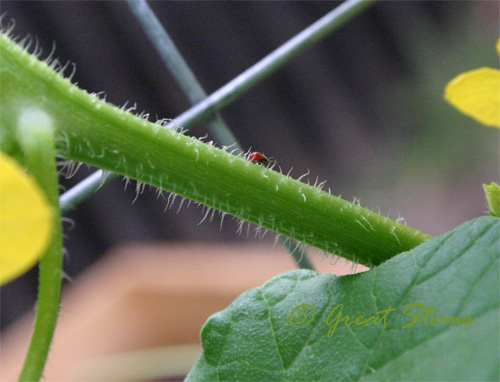
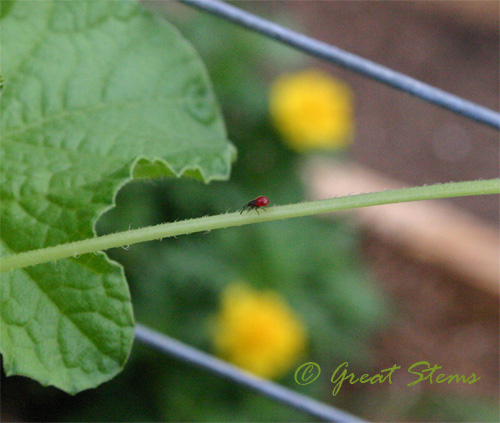
And while I'm asking, let me ask this: Can someone identify this red bug for me? The bigger versions of it are black, but I don't see any of those on the garden yet, but last fall I had a ton of all sizes in a bunch of fallen leaves. Even the people at Natural Gardener couldn't name them for me. I kill them when I see them now. But I'd like to know what they are. They are not tiny lady bugs, that's all I know.
 In other garden news, I decided to do something with my broken tools. Please tell me this looks like a flower, because it's supposed to, HA! I will probably paint it at some point, but it's growing on me (hehe) as is, too.
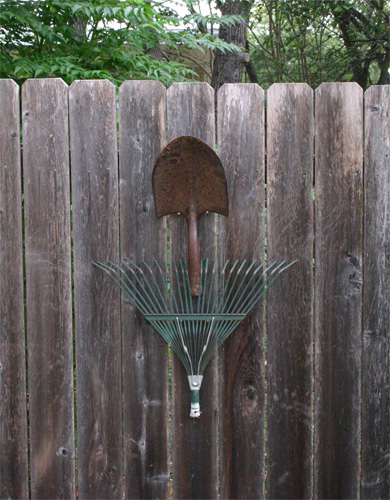
You can see the evil chinaberry in my very nice neighbor's yard behind it -- it's been my nemesis for many a year. My neighbor finally had it cut down several months ago, but the workers left the stump and roots, so of course it's been growing back with a vengeance. We cut it again just to prevent seeds and it's back -- so the neighbor is getting the tree people back out to properly kill it. Not sure they'll succeed if they don't get the roots out. I'm having to close my eyes and ears about the herbicides they'll probably use... But I'm so thrilled to have a neighbor who is trying to help with the invasives problem!
Sugar pumpkins continue to grow and confuse me. They just aren't eager to send out tendrils, but growing they be, with new bloom buds forming.
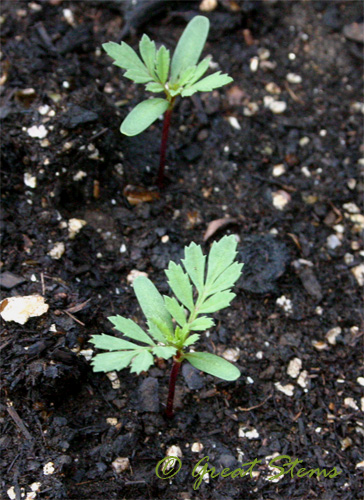
 Marigold seedlings! Only about 6 took, but I have more seeds to try with.
 And much of my corn is happy. A few seedlings are getting chomped by something <evil eye at grasshoppers, even if they aren't to blame>, but the rest are growing. I never really realized how beautiful a corn plant is until all this growing stuff.
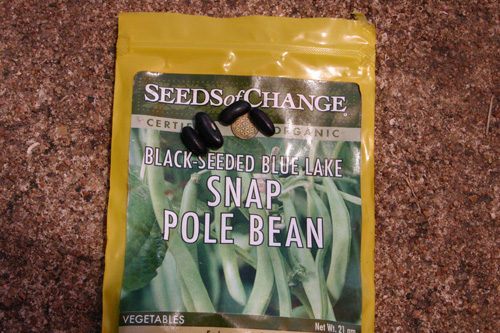
 And I've planted 8 pole bean seeds so far. I'm making use of the far corners of the trellis squares (ok, according to square-foot gardening, those squares belong to the cantaloupes but they were just sitting there empty! seemed so wasteful). I'll be planting more along the fence once I amend the soil. My wonderful oldest son dug out the weeds from that area for me this morning. This whole "raising kids to work on the farm" was a brilliant plan of the pioneering farmers!
I planted Black-Seeded Blue Lake Pole Beans. The seeds look like engorged ticks. Don't they sound wonderful? But I hear they are delicious. No, really. Really!
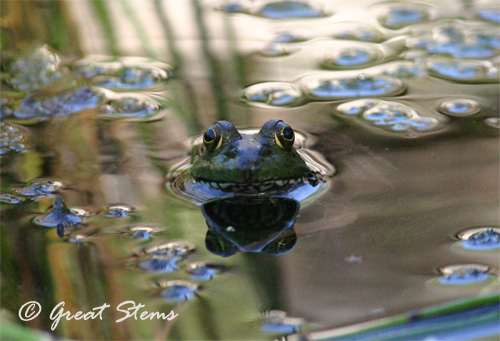
And we had another frog in the dog pond. Not surprisingly, he's just as cute as Murray! Pictures soon!
 As many know, native plants and wildlife gardening are my passion. But I do more than garden -- I lead multiple environmental projects, I volunteer often, and I speak about wildlife habitats and native flora to groups of all ages. I do this because I believe that we can make things better for Earth and protect its threatened species. Education is the first step, and actions are the next. That's why I share what I can, because believe it or not, it's easy to live sustainably and protect the environment -- it just takes awareness and a desire.
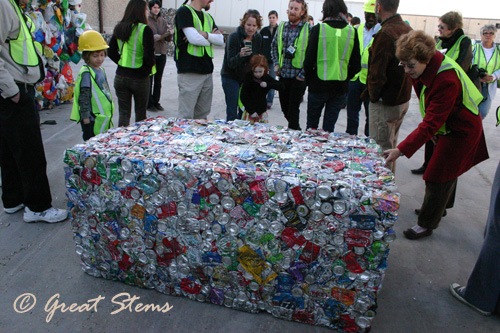
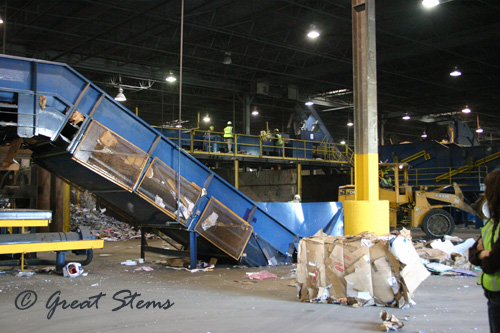
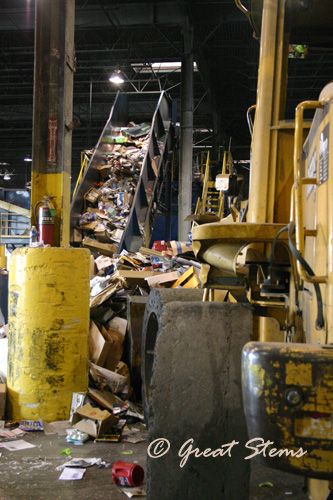
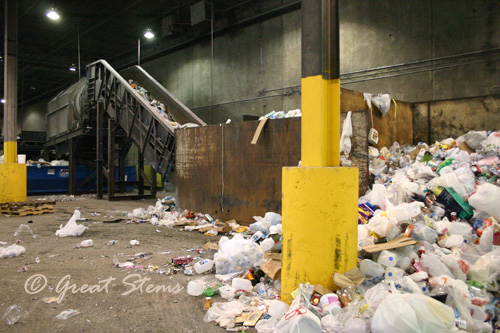
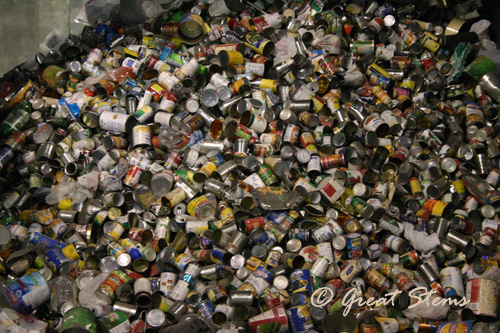
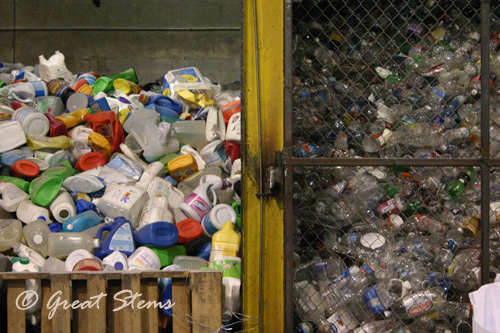
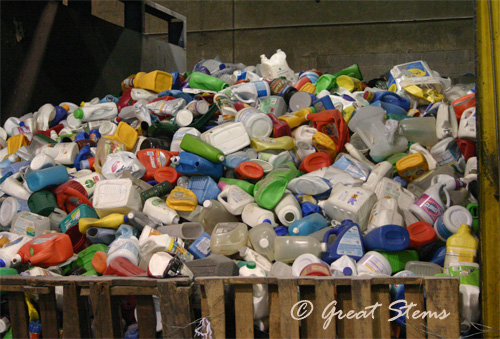
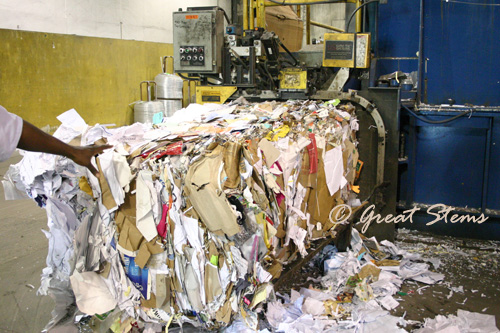
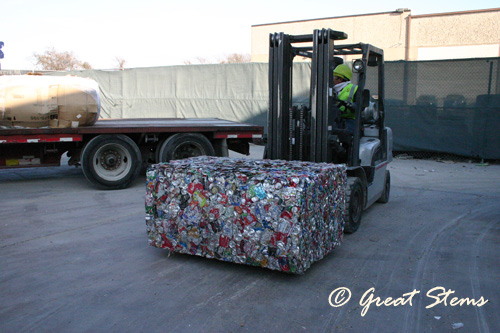
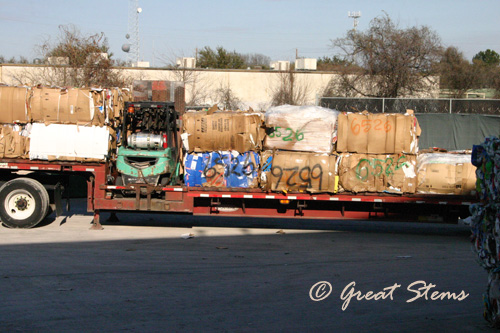
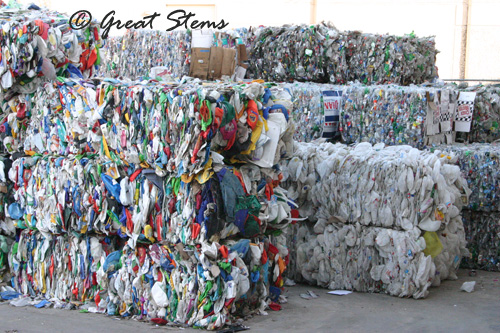
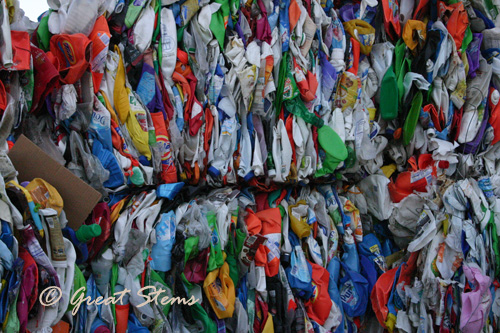
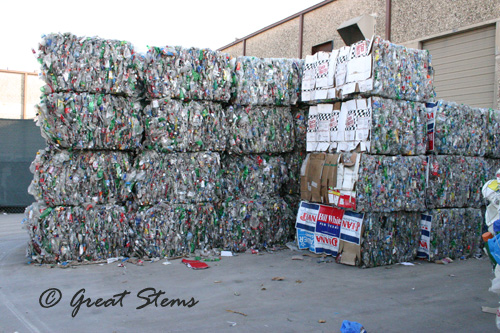
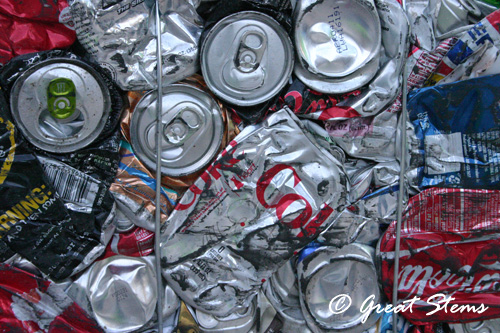
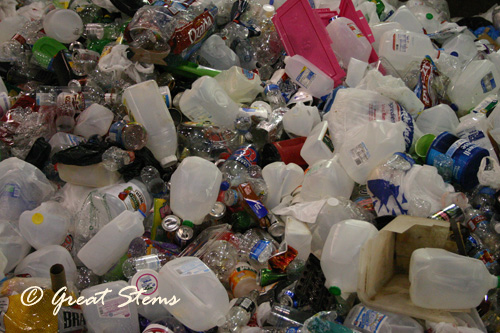 Plastics, for example, might become plastic lumber which can be used for park benches, construction materials, and so forth. Our living-room carpet is actually made from clear plastic bottles. Note: Before you think this makes it okay to buy lots of water bottles, note that the bottles themselves aren't made from recycled materials. Reduce your use first, please!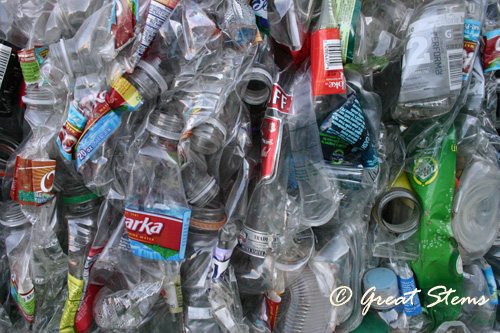
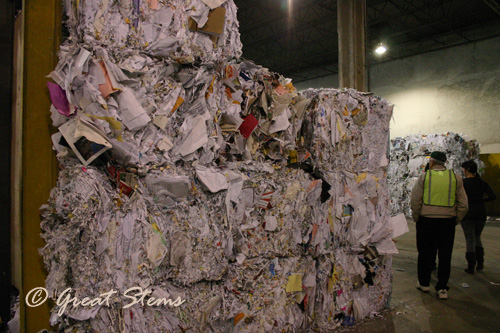

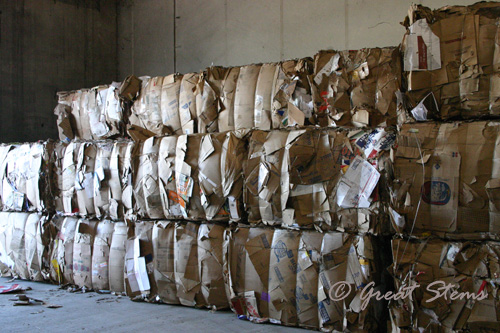
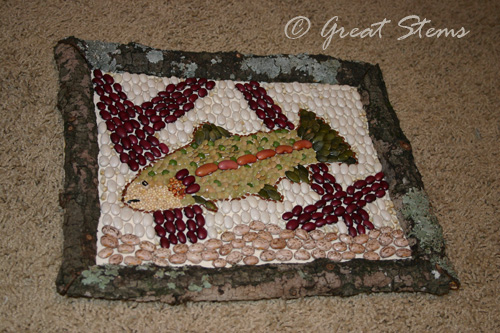
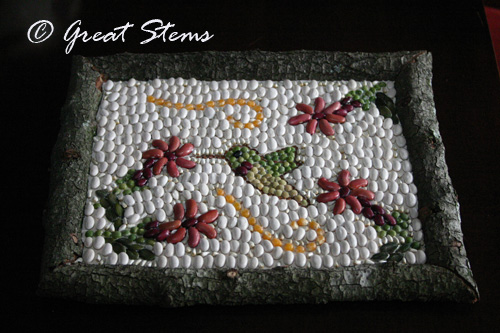
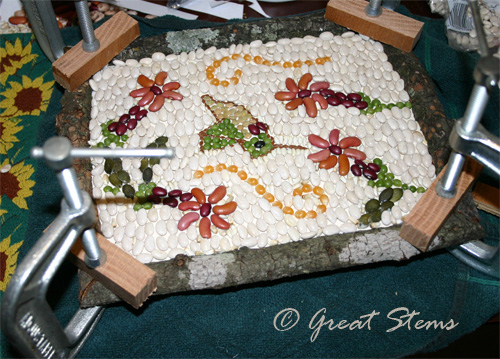
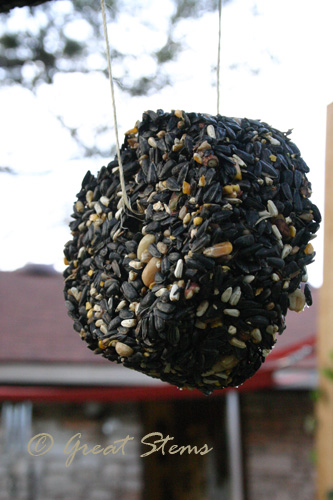
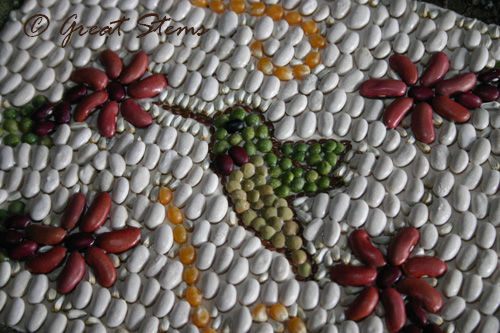 For other family and friends, we tried our hand at making seed ornaments, as often in the past we've enjoyed giving purchased seed gifts for others, to hang out for the birdies.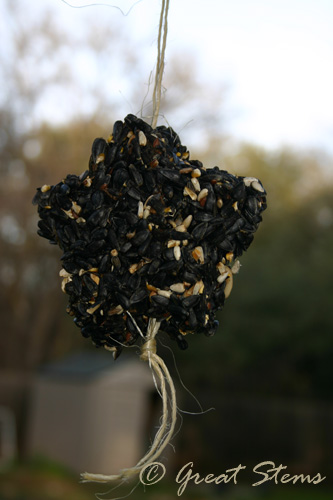
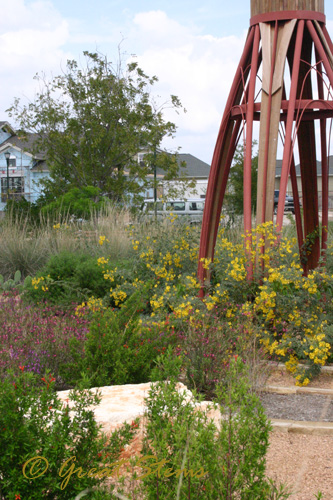
 Lindheimer Senna...
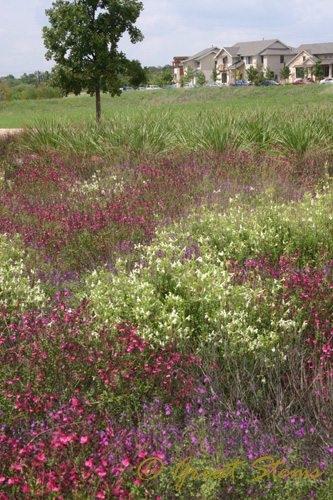
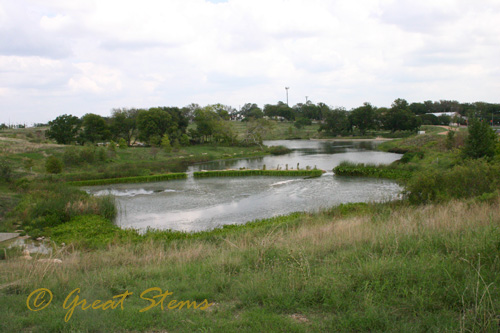
 A view of the three ponds, surrounded by native grasses...