I love the rain. Everything just looks so green afterwards.
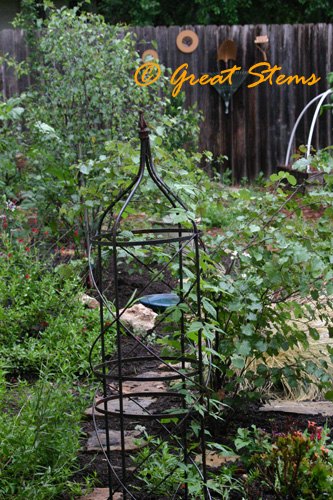
But even without the heavy rainfall this week, which I was so grateful for (by the way Austinites -- you can thank me for the rain on Wednesday because it was my watering day and I got up and watered-- Murphy's Law was in full effect, because the rain showed up that evening... now if you got hail, too, that's not my fault...), this year we are enjoying massive growth of pretty much everything in the garden. I suppose that sounds reasonable, as in the plant world we are in Year 2, at least for some of our plants -- the rest are still young. Following the saying "Sleep, Creep, then Leap" -- it is clear that our plants are enjoying a growth spurt!
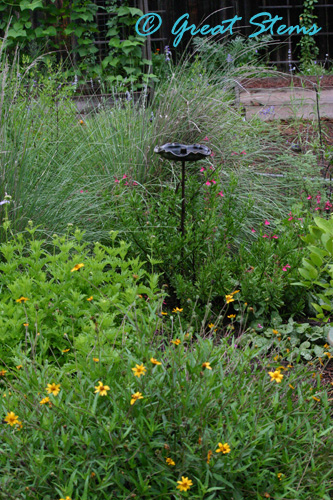 I am envisioning a garden of giants before long -- the thought crossed my mind that I might have to trim some of these back at some point. Whoa, that's too much for this girl to think about right now.
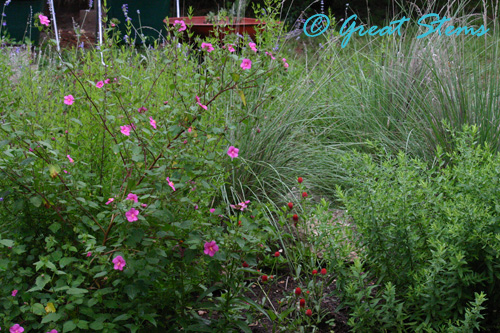
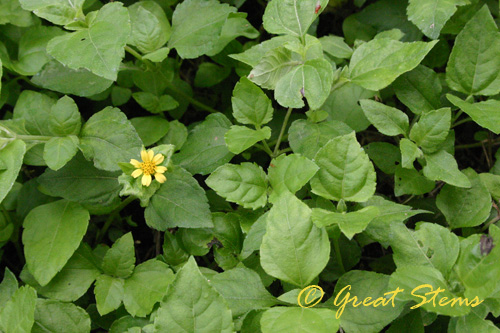
But take a look at this Rock Rose, one that I don't even remember planting in that spot. It's massive. Right now I'm just letting it do its thing, but I'm sure that other gardeners are wisely shaking their head, saying that I'm going to be dealing with lots of little Pavonia babies everywhere and soon. (Here's where I'll tell you that one of my other Pavonias already made lots of babies, as I discovered a couple of days ago. And it was a much smaller plant!)
 On the plus side, I hope that the natural shade that the larger plants in the butterfly garden will provide this summer will help the smaller ones get through the heat and sun. Downside is that right now everything appears to be the same height. Somewhere in the middle of all that is a Texas Kidneywood, as well as a Barbados Cherry, which at some point should provide the height variation the garden needs. They need to be in their Leap Year, too!
All around the garden, I've got new plants I'm excitedly watching. Exotic Love Vine, an annual vine from Mexico and Central/South America, still hasn't produced any flowers, but I find myself admiring its beautiful leaves everyday. I guess the love effect is already, well, in effect, even without the amazing blooms it hopefully will produce. Maybe they bloom in fall.
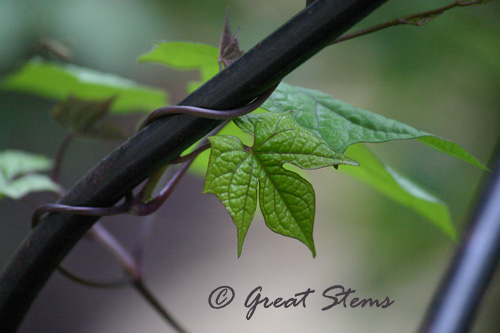
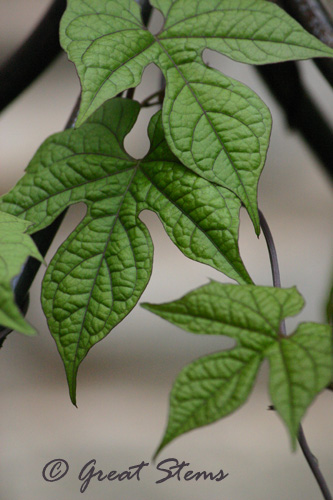 Now check out this great stem -- hoho, Great Stem.
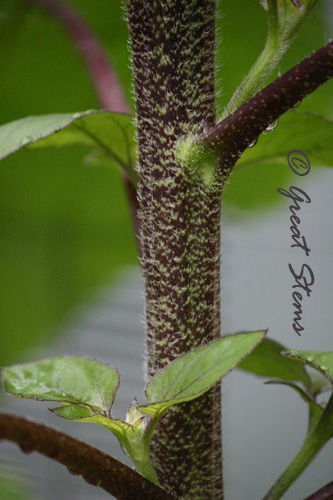 Now at 4-foot tall, this Cinnamon Sunflower is already bigger than some of my trees. Still no evidence of blooms. The leaves themselves are the biggest leaves of any plant I have on the entire property. For comparison, I placed a Pomegranate leaf on one of the Sunflower leaves -- I still don't think it does it justice.
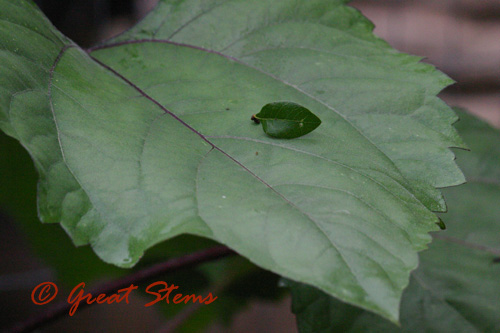 For the record, the Cinnamon Sunflower's growth is putting the Giant Sunflower's growth to shame. I haven't taken pictures of the Giant yet, so it better do some catching up!
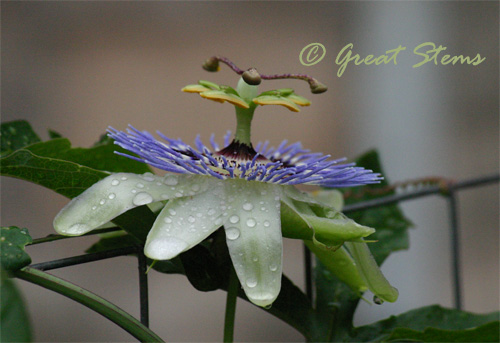
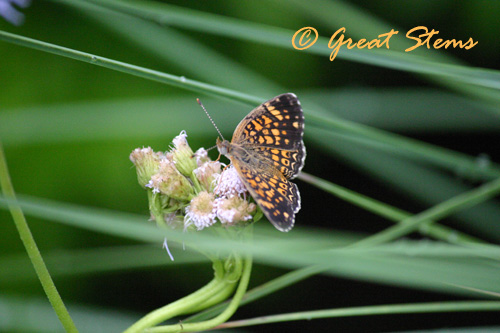
The Passionflower is blooming like mad. I'm still waiting for the Fritillaries to show up.
But here's a little Phaon Crescent come to visit.
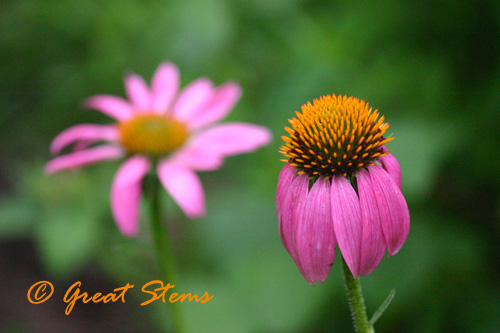
The Purple Coneflowers are doing some strange things this year, but at least they are officially blooming. Some big, some small, some tall, some flat, some wide, some droopy...
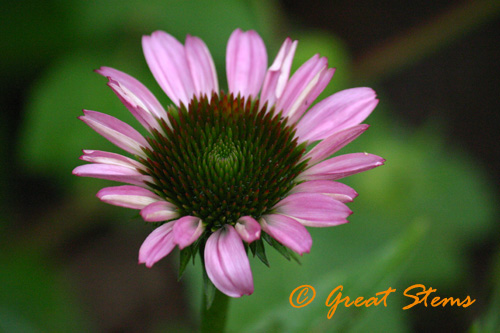
 This odd Coneflower has a striped appearance.
 Speaking of Great Stems (giggle), here's another one. Check out the thorns on this wee tree, a Toothache Tree, or Prickly Ash. The thorns are currently longer than the stem is wide!
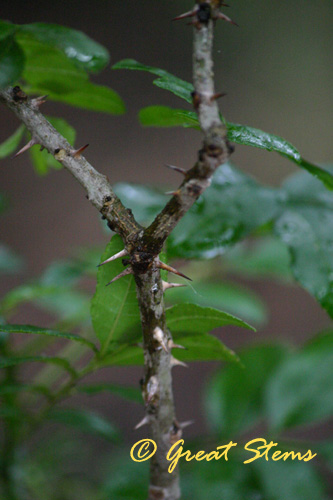 We're fortunate to have two species growing -- Zanthoxylum hirsutum (shown) and Zanthoxylum clava-herculis (very much still a sapling). If you haven't heard of these trees, they're fun. Chew on a leaf and your mouth goes numb for a few minutes. Back in the old days, they served to help with toothaches, hence the name. Bonus -- a larval host for the Giant Swallowtail butterfly! I look forward to our trees getting bigger.
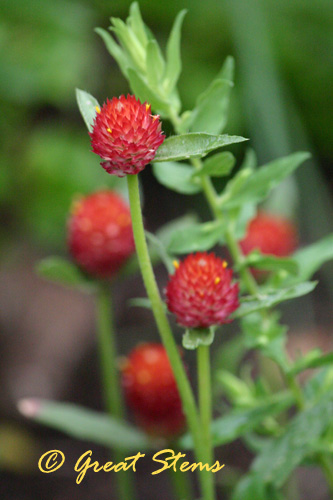
Venturing back to the butterfly garden, I paused to admire a strawberry-like annual, the Gomphrena, that I spur of the moment planted a couple of weeks ago. It's a dwarf compared to the older perennials, but I appreciate the red color that was needed in the garden.
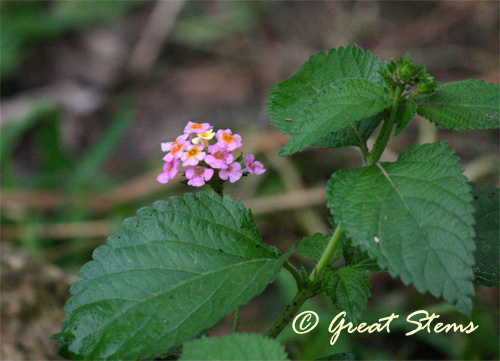
And ugh, a decision to make. This rogue not-native Lantana has popped up in the yard near the pond. Now I have to decide whether to pull it. This is why I stick to the native Lantana urticoides/horrida (Texas Lantana--has orange/yellow/red blooms) -- I don't want to contribute to the easily-spread other kind. I know where it came from, too -- my neighbor had one. Had. I notice she pulled it out this year.
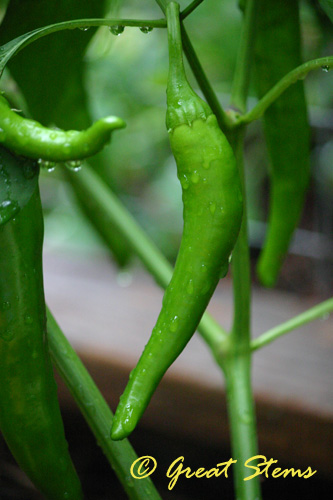
Over in the veggie garden, I discovered an abundance of peppers! Garden Salsa peppers, and they are inspiring the Mexican meal we will have tonight. I didn't even see them start out as babies, and here they are.
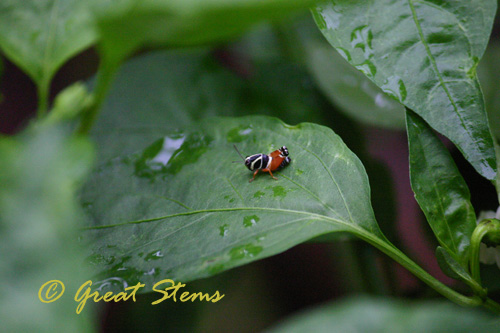
Meanwhile, their leaves are getting munched by these little culprits -- tiny (but pretty) grasshoppers. The admiration stops there. They are munching on my peppers, my tomatoes, and my Exotic Love Vine. Stop it, grasshoppers!
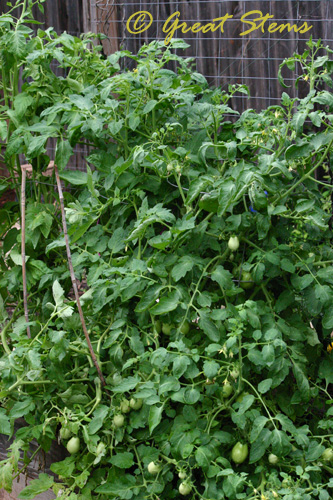
 The tomatoes are certainly growing up. They've outgrown their cages, keep trying to topple over, and so bushy I'm feeling a little concerned. Next time, I'm going for the big collapsible and way over-priced Texas cages.
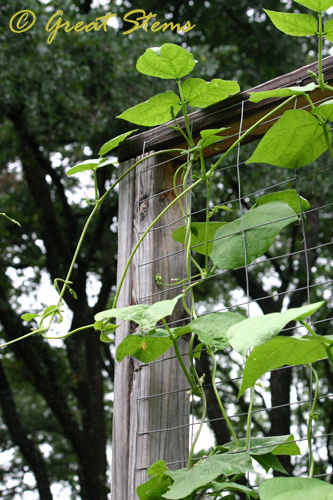
 The runner beans have grown up past the trellis. I'm hoping we'll actually get some beans before the heat of the summer really hits us. I feel we're pushing the season a bit.
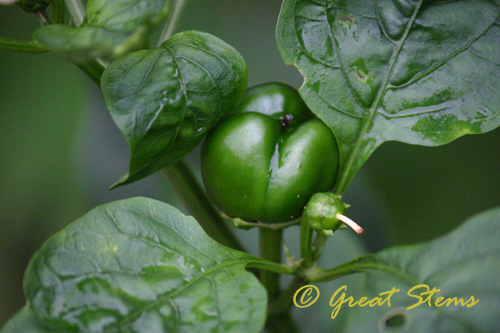
 And the perennial Bell Pepper is producing fruit again. I look at this plant in wonder -- it survived last year's terribly hot summer, made it through fall and winter without any attention from me, and here it is, still growing. I didn't know they could do that. Talk about pushing seasons!
 Plants aren't the only things growing up around here. I'm about to have a teenager in the house (egads). And at 12, he's already 6-feet tall. We're going to do a final "kid" measure tomorrow, the day before he turns 13.
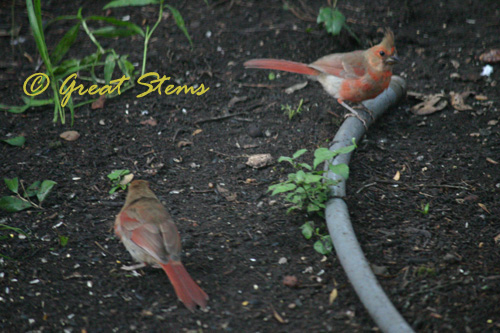
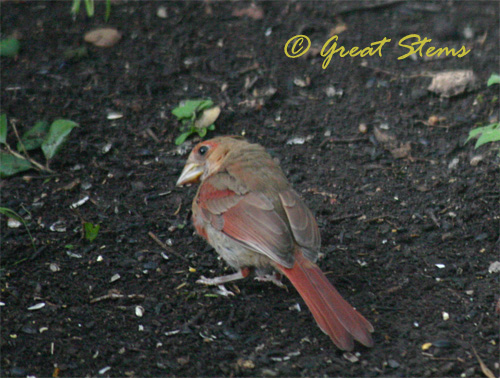
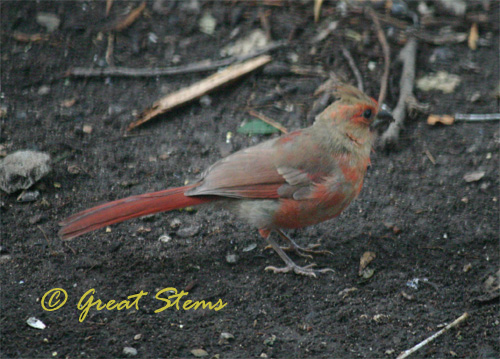
And these fledgling cardinals showed up this morning. Three of them. I love how their feathers are in transition. Mama and papa should be proud! You can tell my blood sugar was dropping at the time -- the camera was shaking! I'd eaten breakfast, but only just. Not enough time to hit the bloodstream, I guess.
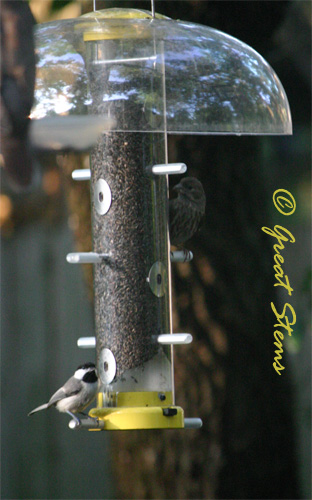
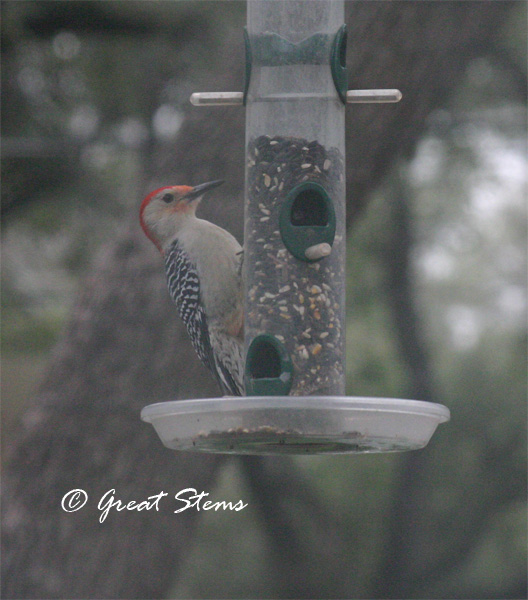
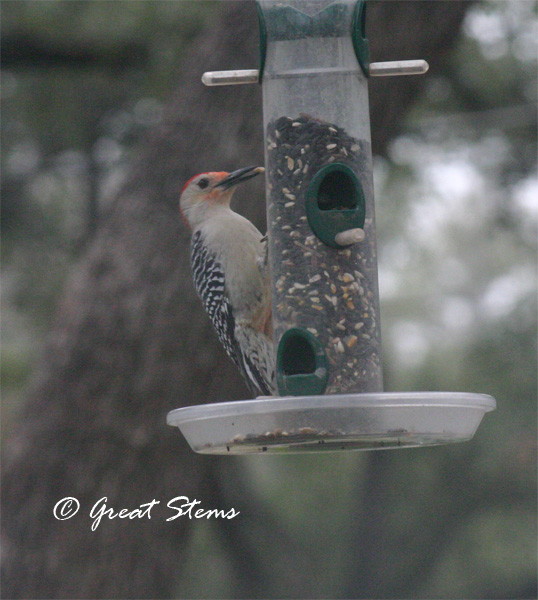
 I'm pleased that birds are finally starting to pay attention to the thistle feeder. I abandoned the thistle socks awhile back due to the damage the eager birds were doing -- I kept having to replace the feeders. But wow, they did love those socks. It's not off the project list -- I just needed a regular feeder to keep around constantly.
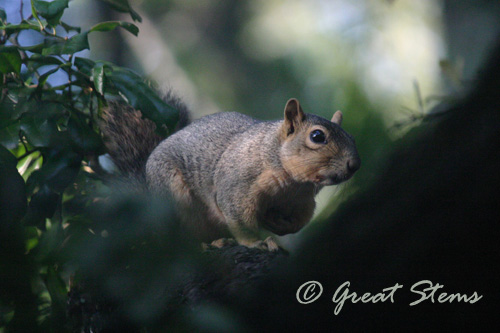
 Yeah, I see you squirrel. I know what you're up to. Yeah, I know you see me, too. And yes, I saw you on the birdfeeder this morning. I noticed the young squirrel nearby, too, watching you do it. Naughty squirrel.
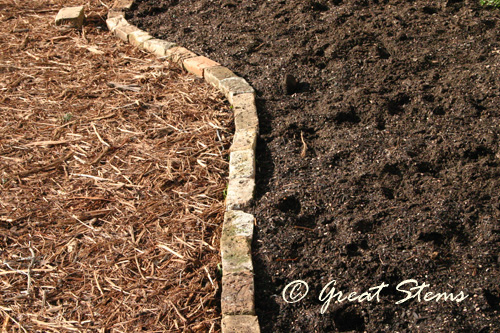
So the organic garden is growing up. The birds are growing up. The squirrels are growing up. My kids are growing up. And I guess the evidence is there that this gardener is growing up, too. If I haven't already done it, I guess I have to do away with my newbie status officially, my crutch when I don't know what in the world is going on in my garden. But the greenery around means I must have done something right, newbie or not. If in doubt, add compost -- that's my motto! I'm loving it and ready for more.
For a look back at the garden beginnings through its first year, visit this page.
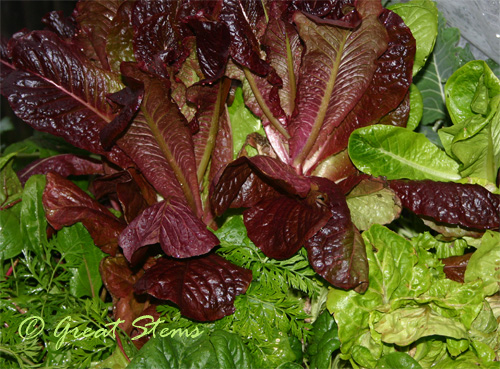 The strawberry plants are all alive, yay. And the carrots, lettuce, spinach, and kohlrabi are massive! They've been loving their little bed, though I wish I'd managed to give them some organic fertilizer over the holidays, just because I'm learning that they like that. The lettuce heads are so big that I wonder whether the leaves will taste bitter -- does lettuce do that? The spinach already is a little bitter, the leaves not being so "baby spinach" size as the seed package promised. It's our fault for not harvesting them all when small, I suppose.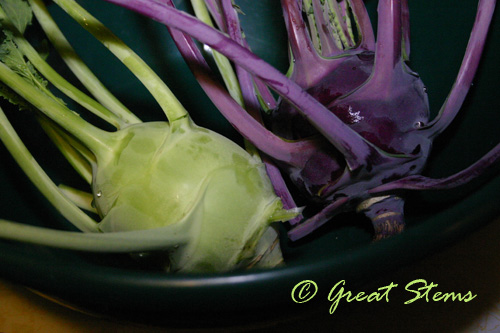
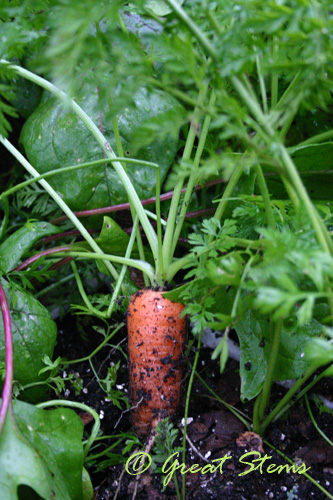 The "longer" variety has proven to be weird. Look at how short and fat this one is.
 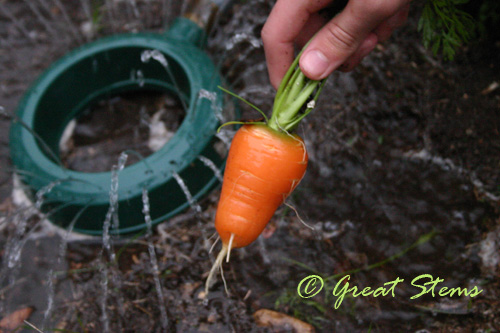 Unfortunately, it tasted rather bitter for a carrot. It sure has pretty color, though, doesn't it? I wonder if it was a nutrient thing (remember, I didn't fertilize over the holidays). The carrots certainly have plenty of depth to grow in, so that's not the issue.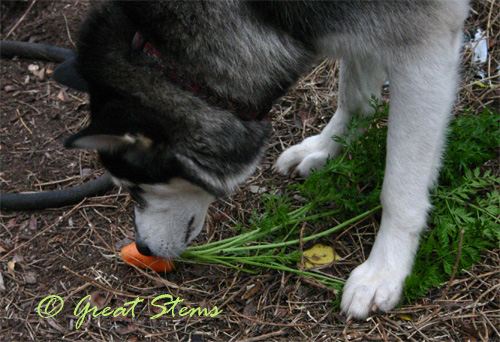
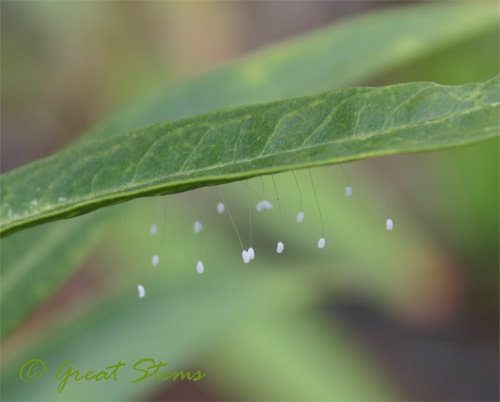 These are the eggs of green lacewings. As larvae, they are voracious aphid eaters. Yay, another ally in the garden! I need them because the aphids are worse than ever. I seem to have least three species now --- I'll call them green, yellow, and beige. The green I'm sure are corn leaf aphids. I have got to get out and tackle them TODAY. My veggies, my milkweed, and now my firebush plant are all having an aphid problem. The little pests took advantage of my time away from the garden during the rainy week and bred like rabbits. I'm starting to think that it's the other way around, and rabbits breed like aphids. Today I'm seeing wings on some. Gah, more colonization!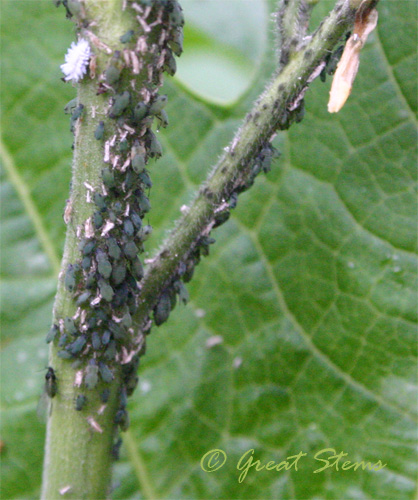
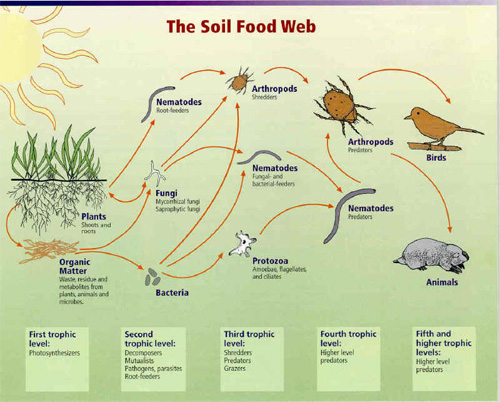
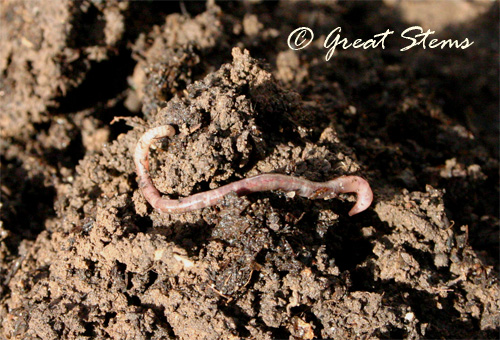
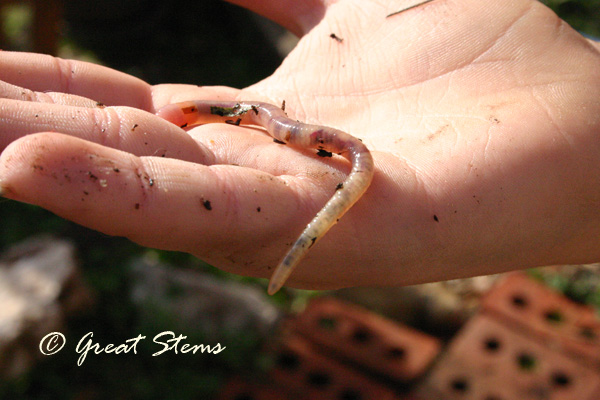
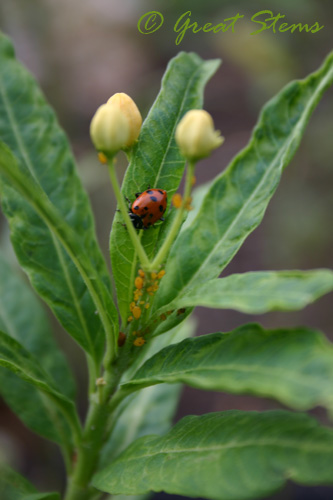 So I've got new lacewings arriving soon, and of course I've got ladybugs. More spiders are arriving, as are earthworms. The bees are getting plentiful, and I don't even have to do the veggie porn thing to pollinate my plants anymore. I truly love the way nature just naturally (ha) balances its ecosystems. Got organic wastes? Happy earthworms move in. Got flowers? Let's pollinate. Overpopulation of something? Here come the predators. And here come the predators to eat the other predators. Oh look, birdie treats. And then snakes. And hawks. Whee, life is grand.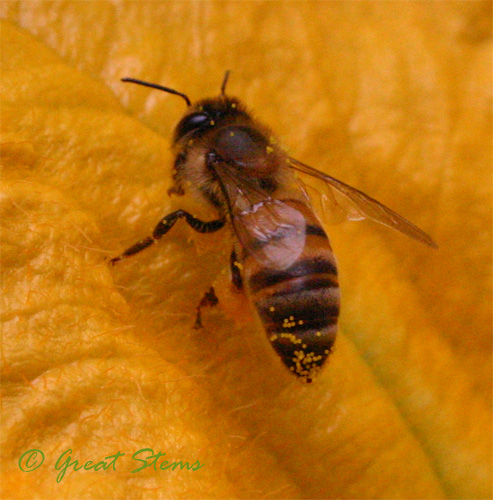
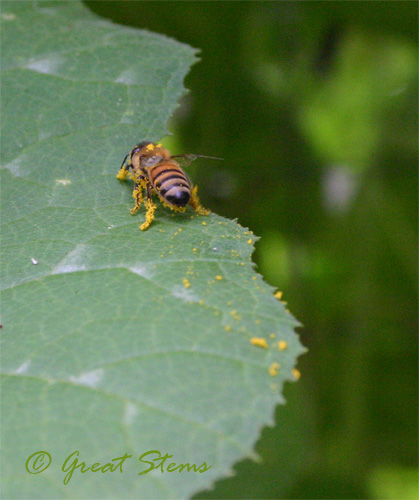
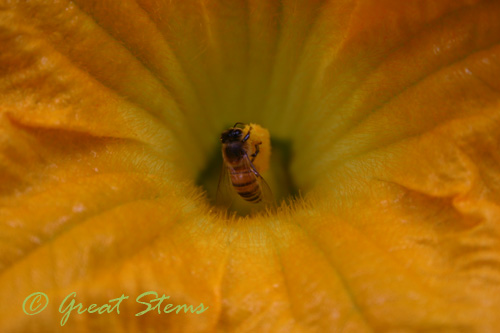
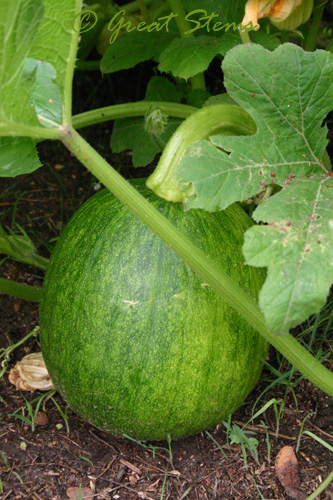
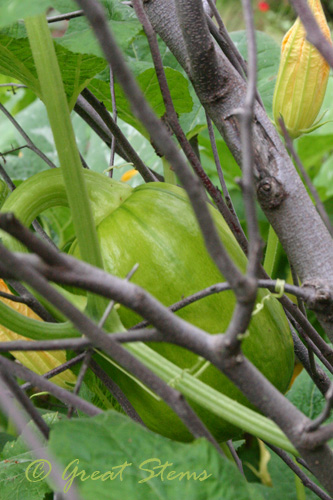 With the rain this week, the yard is a big mudfest for the dogs, and they took advantage of it -- digging where they shouldn't, trampling through the butterfly garden, and taking turns leaping over the pumpkin vines. I'm out there yelling, "This is not your playground!" And then I realized my neighbor must think I'm nuts, because of course it IS their playground. If I can manage it, I'll try to get a picture of the husky leaping in full gallop over the massive pumpkin plants (in between my yelling at him, of course). It really is a sight to behold.
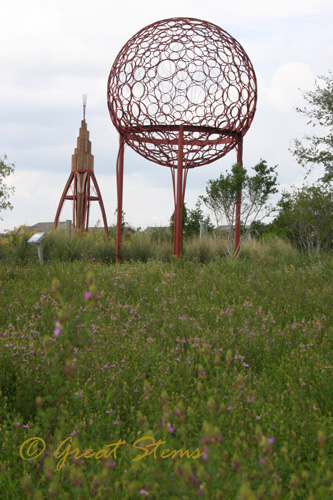
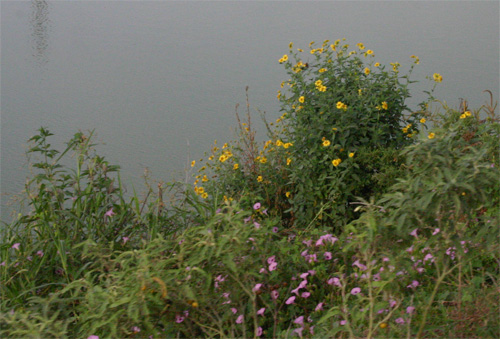
 Lindheimer Senna...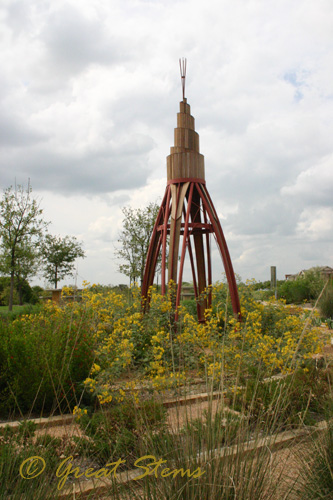
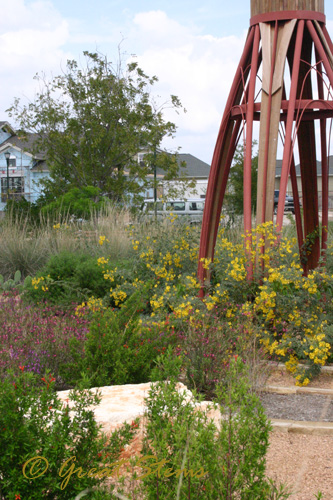
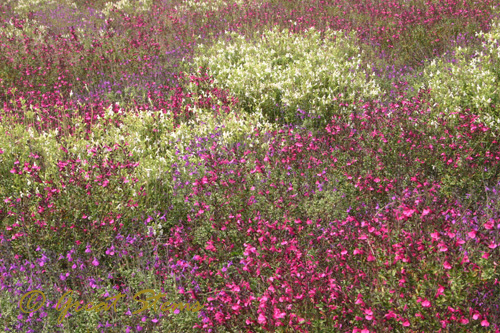
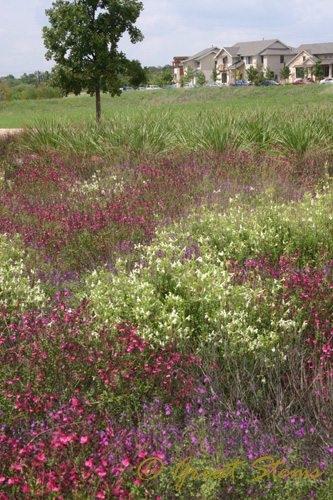
 A view of the three ponds, surrounded by native grasses...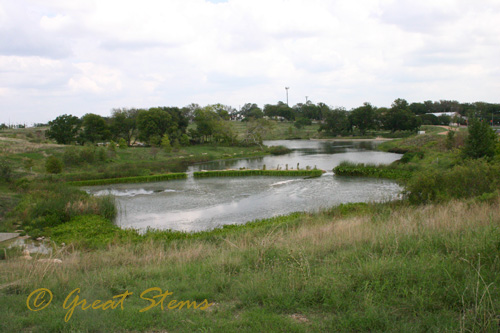
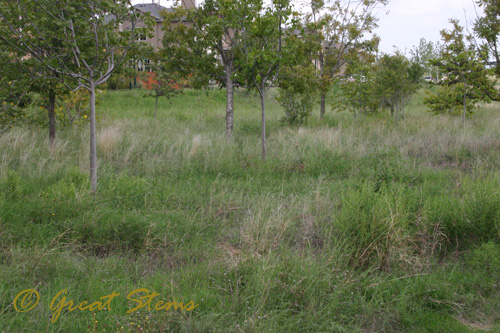
 Hornsby Bend is an area along a "bend" of the Colorado River, southeast of Austin, Texas, near the airport. Once home to dense forests and thickets, a man named Reuben Hornsby settled there in 1832, clearing the land for agricultural uses. Today it is home to the
 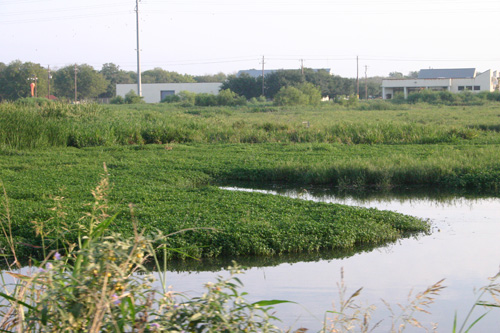 But Hornsby Bend is so much more -- 1,200 acres of marshes, woodlands, pastures, and riparian (river) areas. Because of the incredible biodiversity along the food chain and its multiple habitats, it has become known nationally as one of the best birdwatching sites in Texas, especially during times of migration. More than 360 species of birds have been sighted at Hornsby Bend. Migratory shorebirds, wading birds, and landbirds, some from the Arctic or from the southern tip of South America, stop at the ponds of Hornsby Bend as they travel to and from their winter habitats.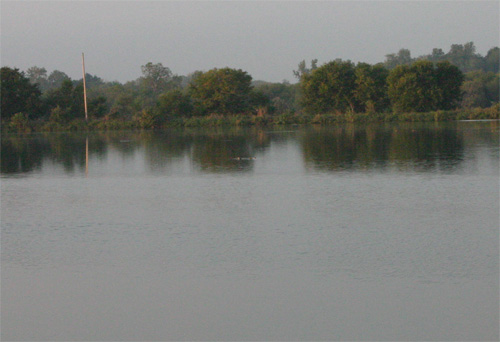
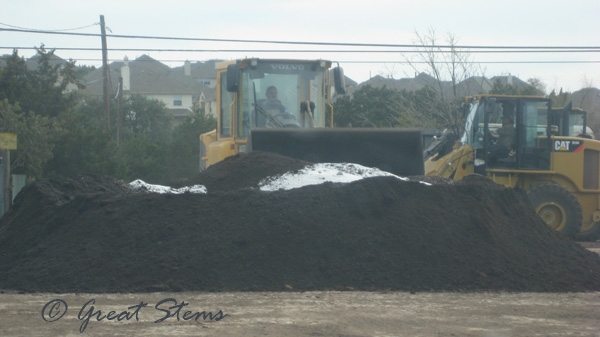
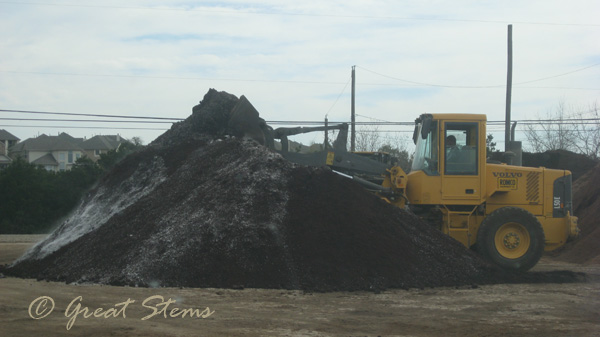
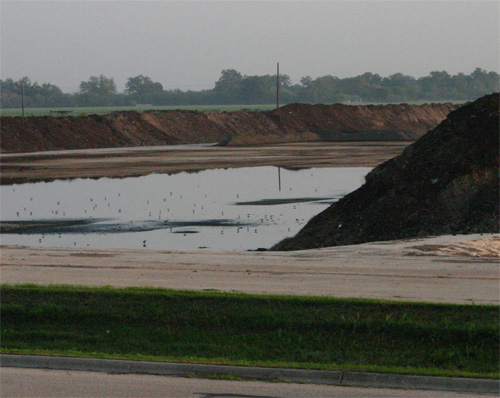
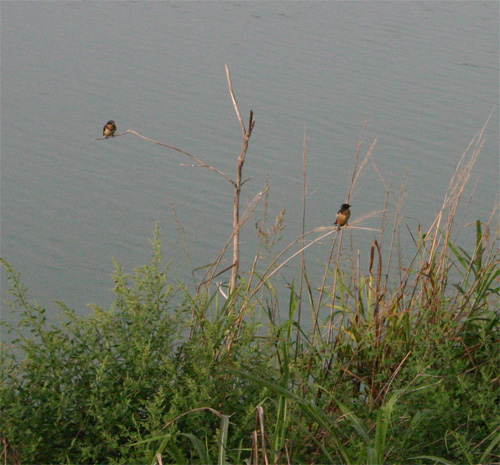 Near the wet grounds by the compost, many least sandpipers and other species scooted about for insects.
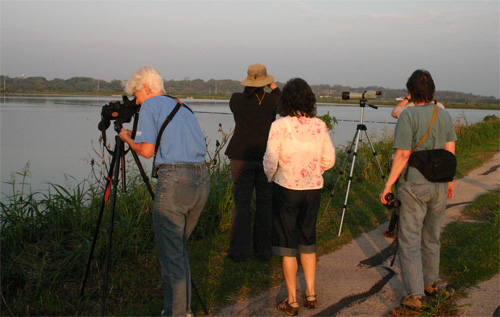
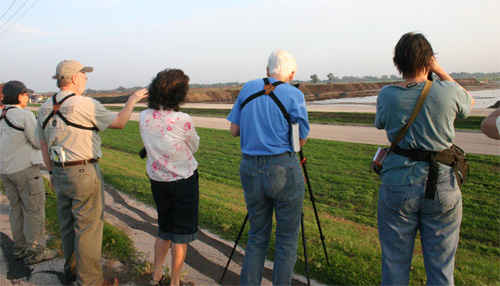
 And humans studied them from afar.
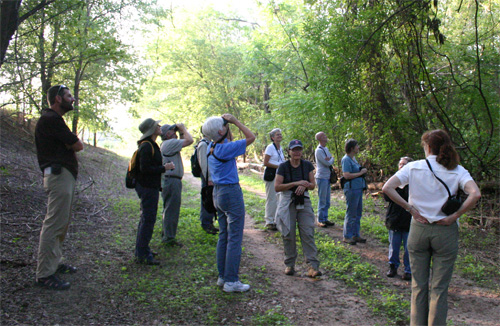
 The wooded areas along the river provided opportunities to see tree-perching birds. A quiet walk along the paths allowed us to listen to the beautiful songs of many a bird, including the white-eyed vireo.
  Another treatment area, these long greenhouses will also provide winter shelter to area birds. A red-shouldered hawk reportedly has hunted in there, in fact.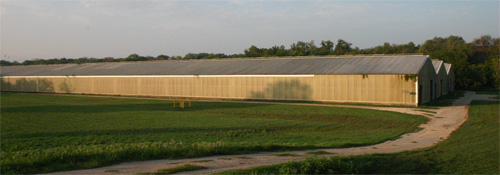
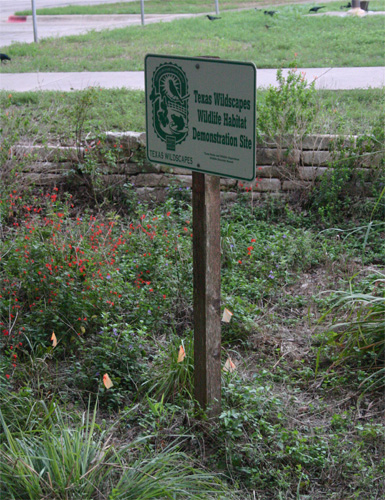 And there are purple martins, too, though they are absent in September.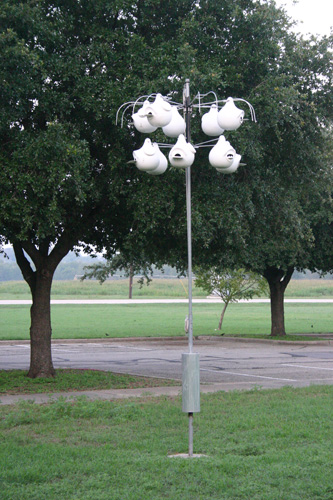
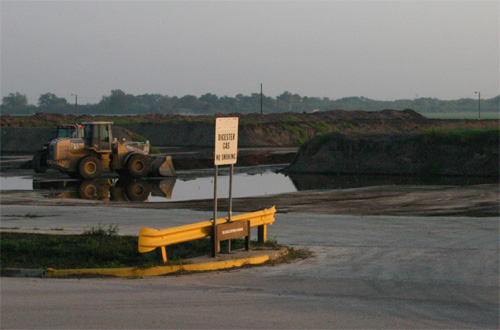 Back at the main building, the Habitat Steward Trainees listened to three speakers. The knowledge I gained this day was tremendous, from the history of the soil in the Austin area to the how's and whys of organic matter, and from butterflies of Central Texas to urban wildlife, such as coyotes and raccoons. A great day, and a great place to visit.