You know you are with a bunch of naturalists when everyone in your group sighs in amazement at giant oak roots, gets down low to study and photograph tiny blooming flowers, and oohs and aahs over rattlesnakes, fungus, and scorpions. That was our day at the Commons Ford Ranch, a beautiful 215-acre former Hill Country ranch located in the outskirts of Austin. I can't resist sharing a few pictures.
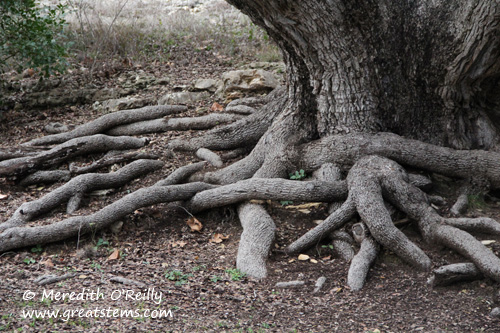
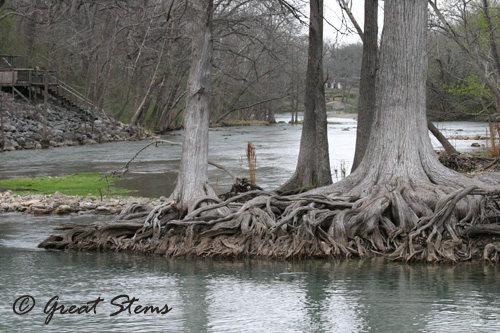
When our CAMN group arrived at the ranch, we were mesmerized by the massive root system on this stunning live oak tree.
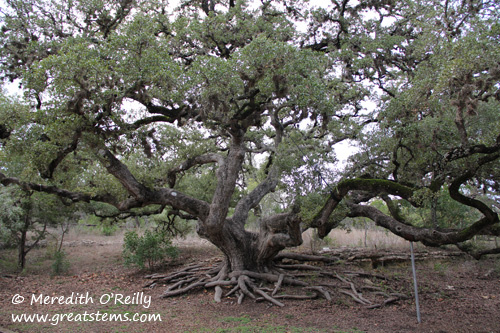
That's one giant and very old tree, so big that it needed a little bit of support. But if you think you are seeing the full size of this tree, think again.
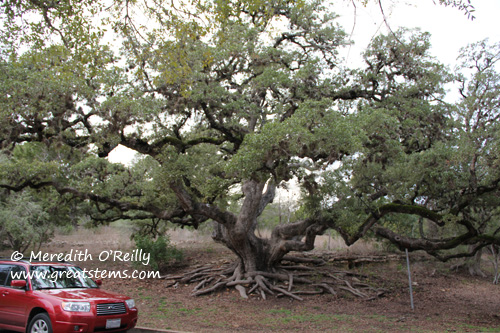
I backed up as far as I could and still couldn't get the whole tree in the picture.
Though you can't see it, I'm standing next to the old Commons Ford ranch house, one of those old-timey houses filled with wooden ceilings and wooden floors. Inside, I rushed off to explore room after room, each of which has nifty little built-in closets and cabinets and bookshelves -- even a built-in ironing board that reminded me of my grandmother's house. I was so delighted that I took not a single picture -- shame on me.
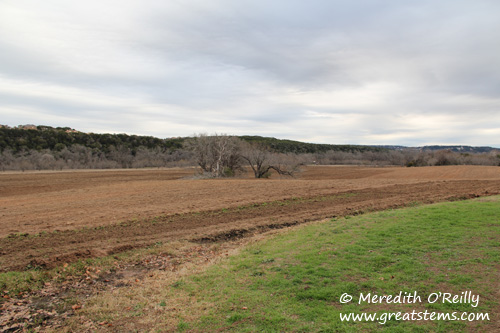
Thanks to the work of dedicated staff and volunteers, Commons Ford is undergoing a massive prairie restoration in order to provide habitat for bird species that should be present but have long been missing. And so the field has been cleared of its invasive KR bluestem and Johnsongrass, as well as overabundant mesquite, and is ready to be seeded this week with a carefully selected variety of native seeds appropriate to the area and the soil type.
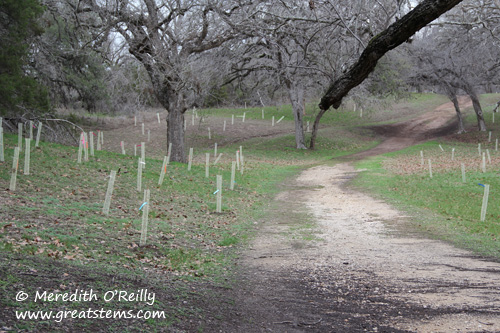
Down by the creek and elsewhere in the park, some 600 tree saplings have been planted by volunteers.
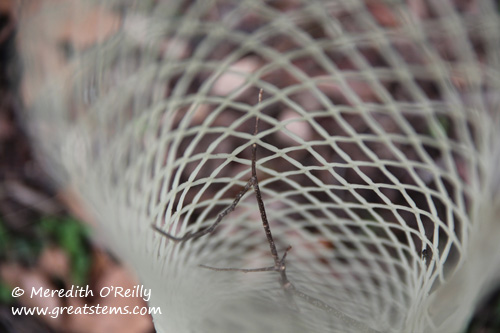
These little protectors will help people notice and hence avoid damaging the young trees.
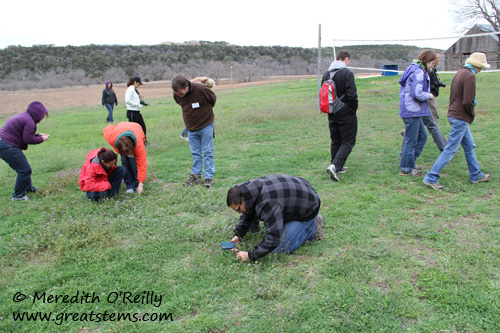 In a field up at the house, we got up close and personal with nature, studying assorted winter annuals (which seemed to be mostly non-native Shepherd's Purse, Henbit, and Pin Clover in that particular area).
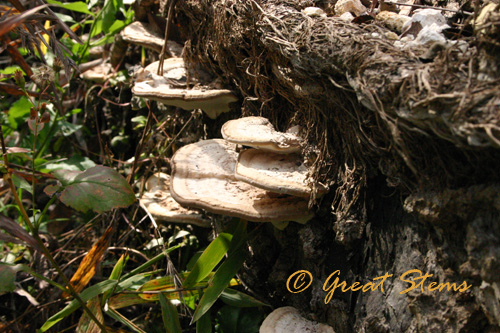
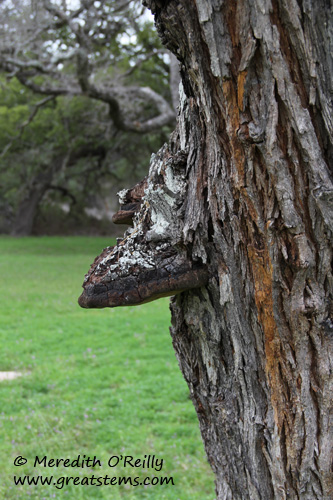 Shelf Fungus.
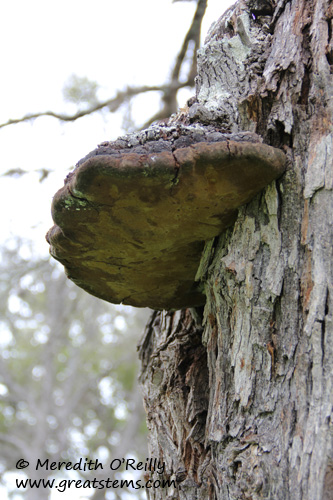 It's appropriately named.
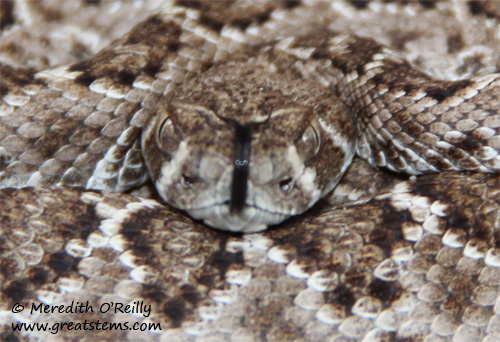
Of everything we saw, I'm fairly confident that the highlight for everyone that morning was this gorgeous creature:
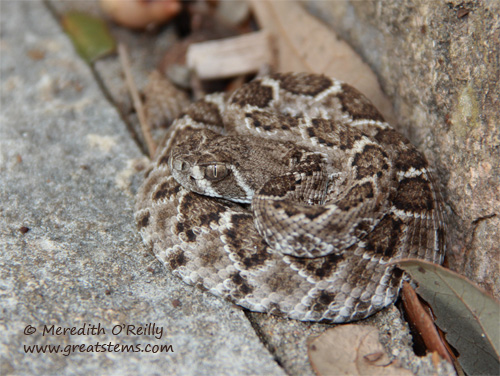
Yes, it's a young rattlesnake, specifically a juvenile Western Diamondback Rattlesnake. We were amazed to see it on a chilly February morning, but there it was coiled up on a stone step of all places. Because it was cold, we were able to get a little closer than we would normally have done, and between all of us, I think hundreds of pictures were taken. The little snake was certainly watching us, but the only movement it made was the occasional flicking of its forked black tongue (eventually the snake did retreat to the safety of a crevice, and it was reported that the snake had one cute little rattle).
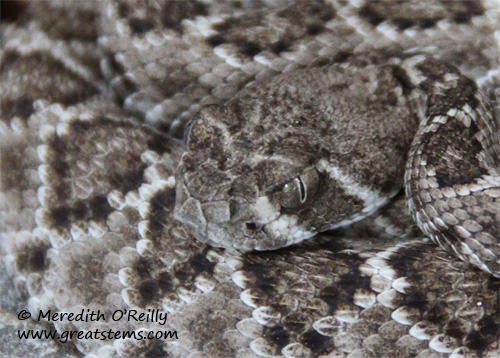 Look closely, and you'll see what makes rattlesnakes so easily recognizable. Don't focus on the pattern -- aside from the fact that there are lots of variations among a single species, many other snakes share a somewhat similar coloration and pattern. This has led to perfectly harmless snakes being killed by people who just didn't care to take a better look. You also can't go just by the sound of a rattling tail -- many species of snakes rattle their tail as a warning sign, whether or not they even have an actual rattle. Your best bet is to study the head.
Remember that a rattlesnake is a pit viper. It has heat-sensing organs between its eyes and nostrils (look for the dark spot to the right of the snake's nostril above). It also has very cool vertical, elliptical pupils, and its head is spade-shaped. Compare it to corn/rat snakes and you'll notice a vast difference.
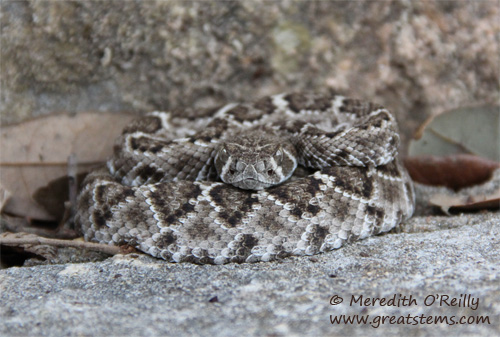
I particularly like the angry look its supraocular scales (effectively eyebrows) give it -- the resulting expression is one that says, "Don't mess with me."
Inside the house's kitchen, we discovered another guardian against all things pest-like.
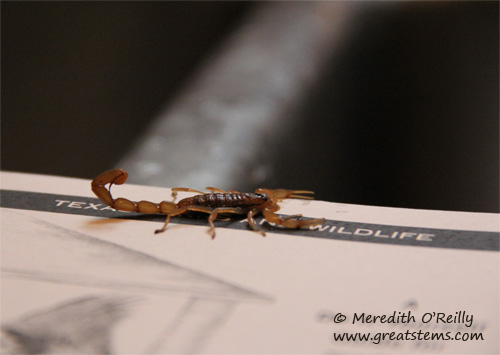 How appropriate that this scorpion sits surrounded by the words "Texas...Wildlife" (it's sitting on a booklet from Texas Parks and Wildlife). Despite the alarm scorpions bring people, they are actually beneficial little creatures. Yes, they can sting (it's described as "moderate"). I've experienced it, as has my husband, and one of my sons did, too, when he was a toddler. For each of us the sting only lasted a few hours at most -- to me, fire-ant bites are far worse. Sensitivity varies with each person, of course, and there's always the risk of anaphylactic shock. But overall, scorpions are good guys and worth being given a chance. Among their dietary favorites are cockroaches. While I personally feel that's all I need to say to prove their value, I'll point out that they also eat crickets, grasshoppers, ants, beetles, spiders, even other scorpions.
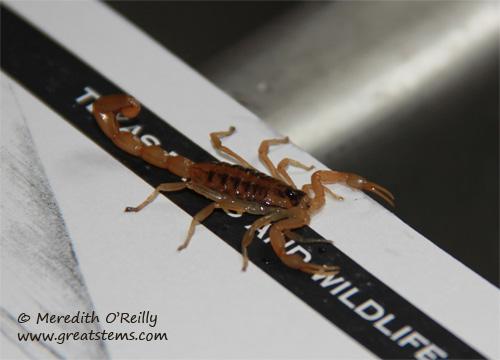
Though Texas has 18 to 20 species of scorpions, only two are found are in Central Texas. This little scorpion is a Striped Bark Scorpion (Centruroides vittatus), the most common. It is easily recognizable by its two dark stripes down its back and the dark triangular mark on its head. Our other Central Texas scorpion is the Texas Cave Scorpion (Pseudouroctonis reddelli).
It's important to be tolerant of nature and recognize the role that different animals have in their natural habitat. That doesn't mean you have to accept a rattlesnake in your backyard, but rather than rush to kill such a valuable predator, investigate whether a skilled wildlife person or snake expert can remove it for you. Be kind to ordinary garden snakes, too -- you don't have to do a happy snake dance like I do (more like rush to get the camera and take a thousand pictures) -- but do be glad if they do come visit to help balance the creatures in your garden. Scorpions, too -- let them do their job outside. If you find them inside the house, just scoop them into a cup and take them to the backyard.
So this topic of scorpions led to an online chat I had with my husband. I'll just post it word-for-word here.
Meredith: I wonder if we can thank our scorpions for being a reason why we have very few cockroaches and crickets.Michael: I think that's a reasonable guess.Meredith: I think we can -- scorpions and lizards and snakes, too.Michael: All our little friends.Meredith: "Scorpions have tiny mouths, so they do most of their digesting externally by coughing up digestive fluids onto their prey and then sucking up the liquefied remains. If it helps, you can think of it as akin to drinking a nutritious smoothie." [description by Alex R. at EarthSky].Michael: Mmmm....Meredith: If you're still hungry, you could try that technique. Got a nearby coworker?Michael: In fact I am still hungry. AFK a moment to try.Meredith: lolMichael: I'll have to come up with an explanation for Lee as to why I'm coming over to throw up on him.Meredith: Oh wait, you don't have a tiny mouth. Perhaps the throwing up isn't necessary.Michael: Well, it's kind of tiny compared to the rest of me.Meredith: True, and since you don't have a tail stinger full of venom to help you subdue your prey, you might try farting.Michael: Oh, how I do try that! They never get subdued, though. Quite the opposite.

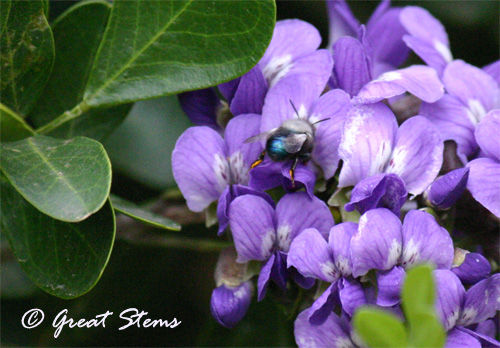

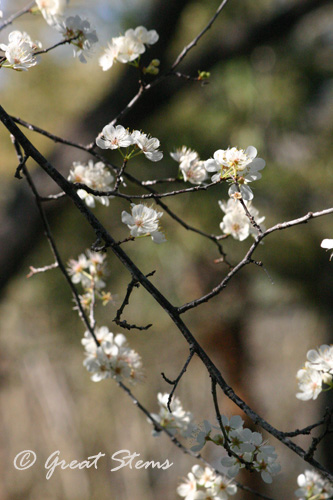
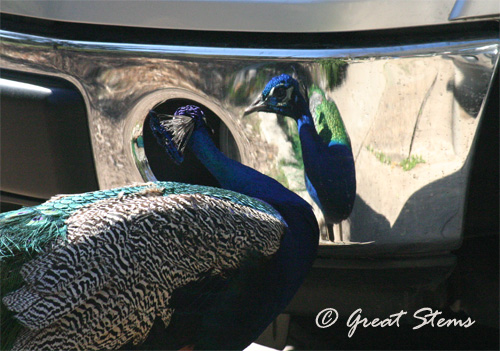
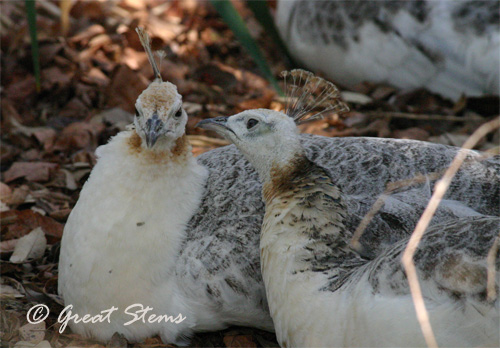
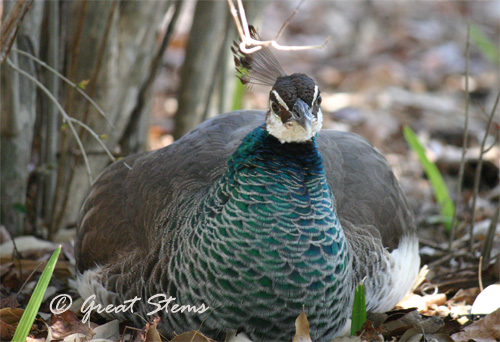 My family and I stopped by the park last week to visit the grounds' peacocks and cottage garden. Much of the plant life was still waking up after its winter sleep , with just the tiniest of buds present during our visit, but early bloomers were kind enough to welcome us with color, including the fragrant Mexican plum above, and the vibrant redbud below. For more information on the delightful pink blooms around Austin, please visit my

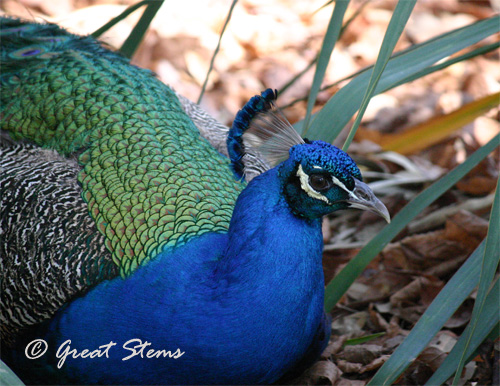
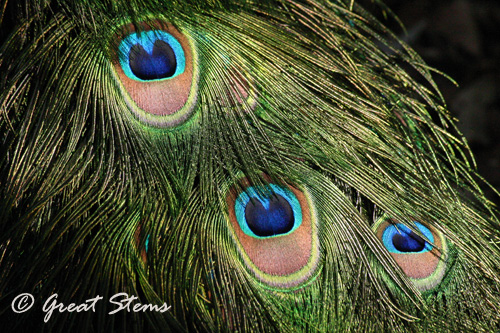


 Yesterday morning our hiking crew of friends and family visited

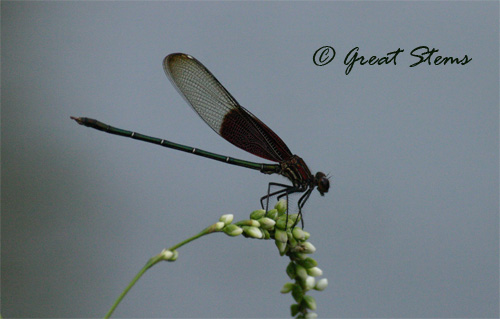
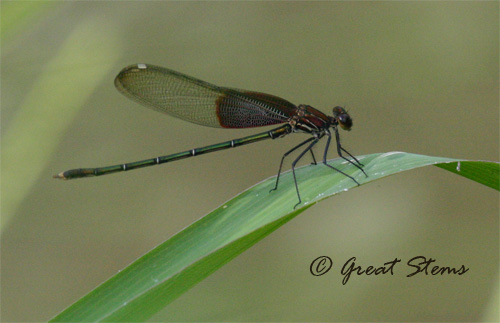
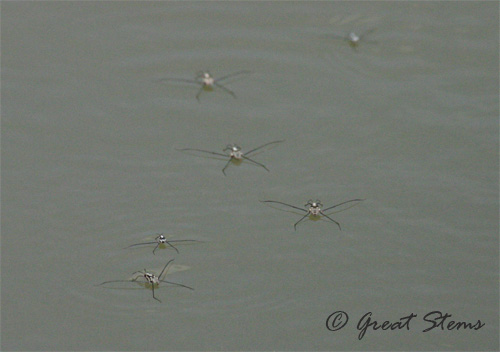
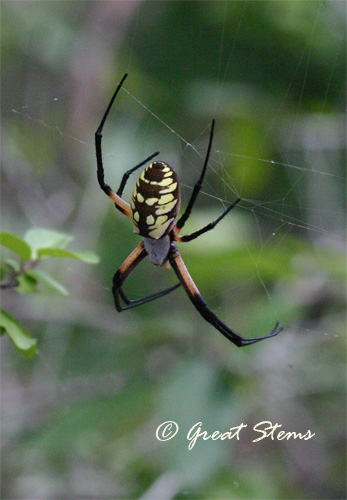
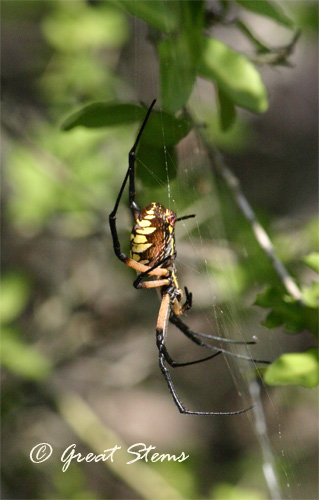
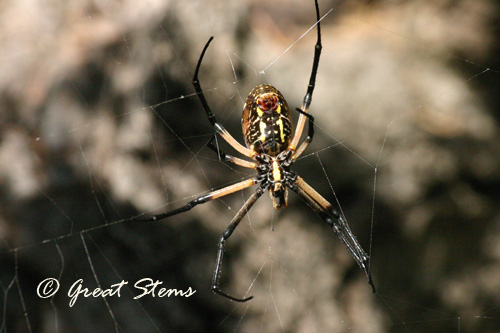
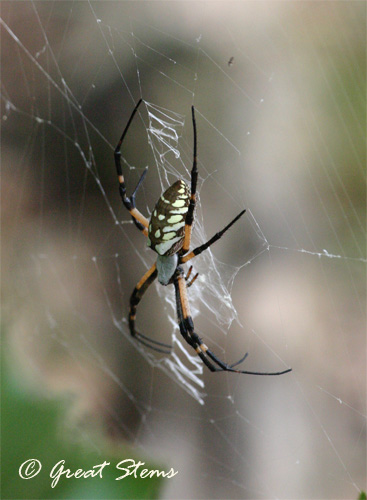 Not to be outdone, other spiders at the Roughs created spectacular tunnel webs and dense webs that seemed almost like blankets.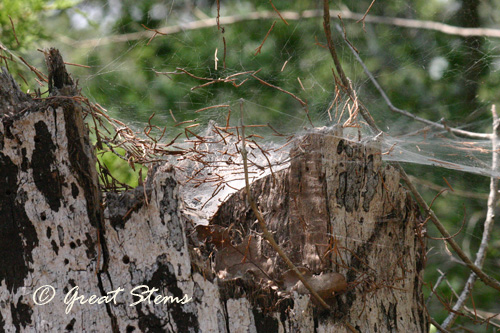

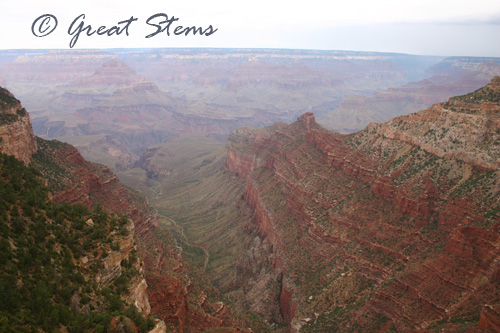
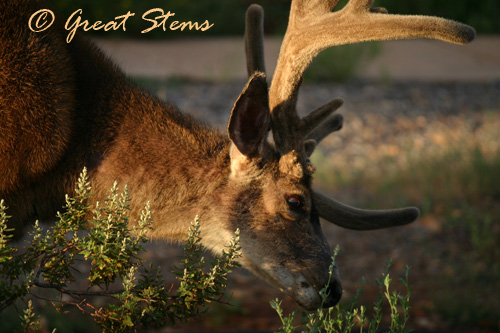
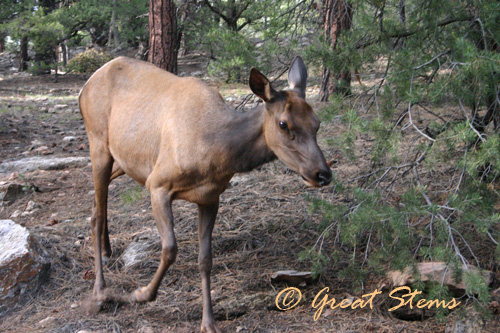 The ravens are huge and very, very black. They are considered some of the most intelligent birds, and you can tell that in the way they look at you and ponder how best to deal with you and/or your food. It amazes me that these heavy birds can even fly, and it amuses me further to see them hover against a breeze mere feet from the human watching them.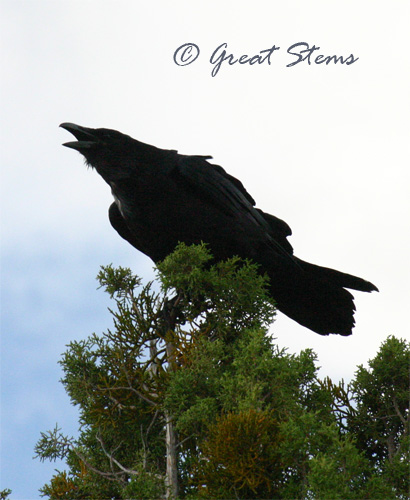



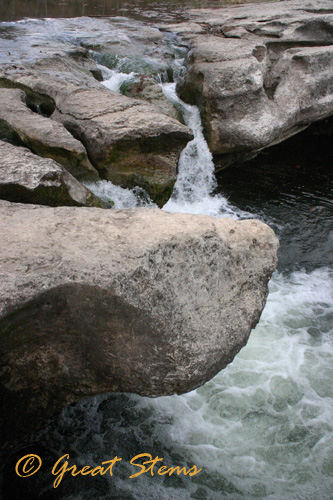
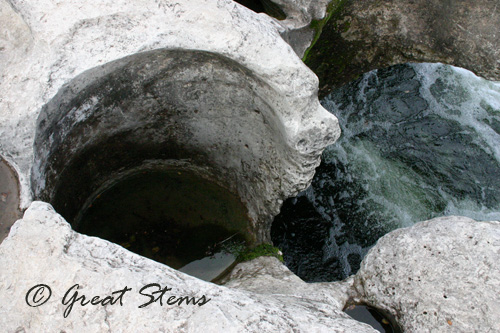
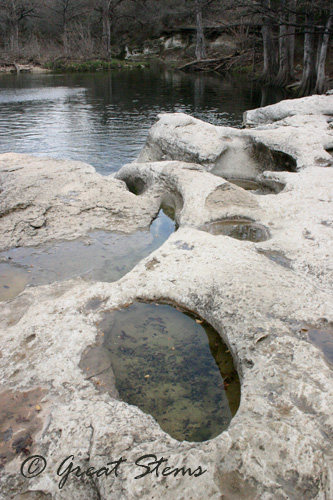
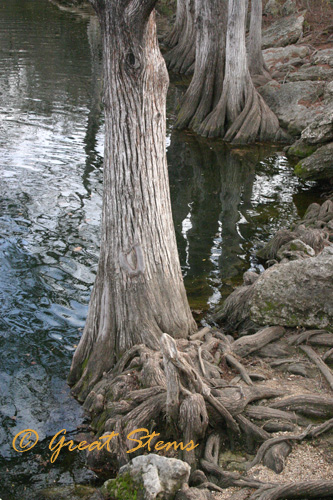

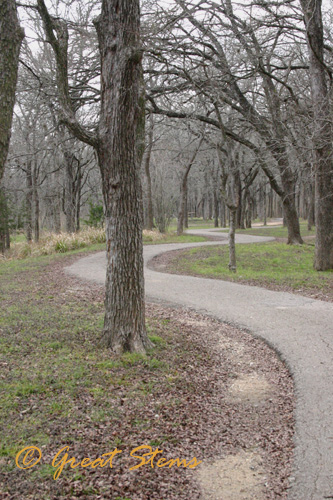
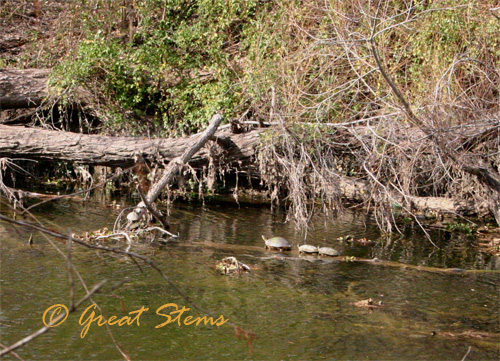
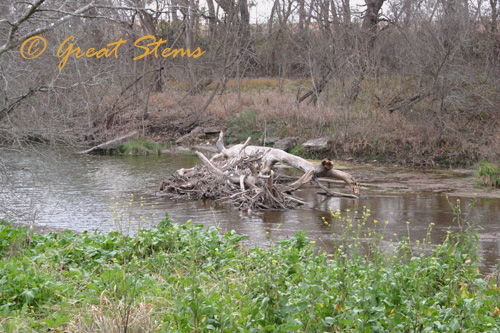

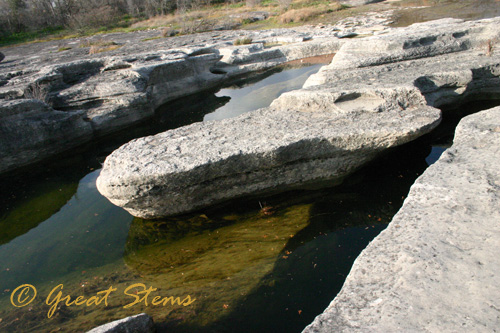
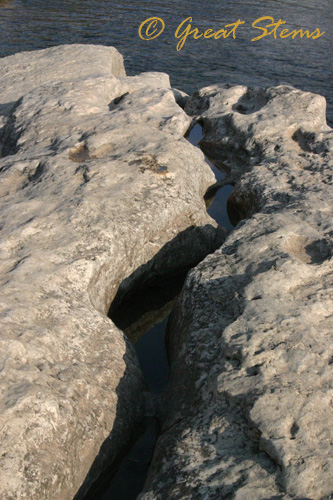
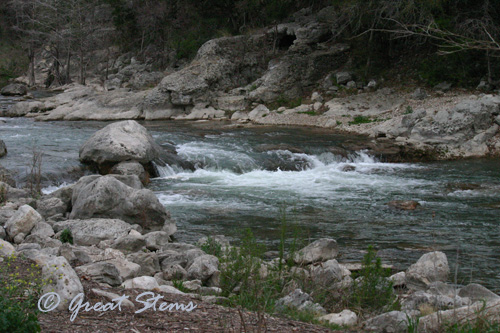
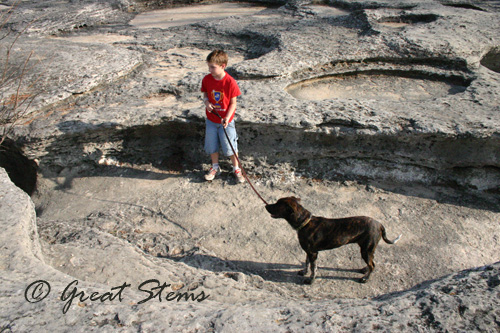 The Lower Falls look different from what I remember from years ago -- presumably this is a combination of water erosion at work and current flow of the creek. To cross to the other side, where the old homestead is, one has to jump across a channel just large enough to be risky for an adult and way too dangerous for children to safely cross.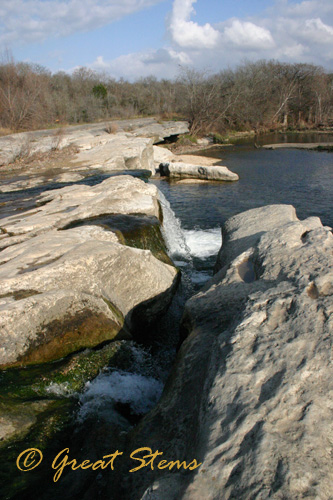


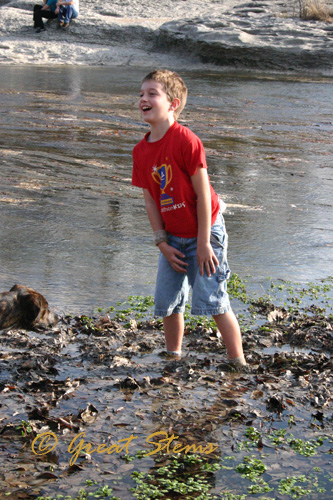
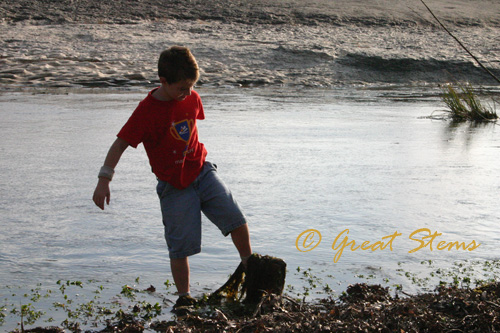
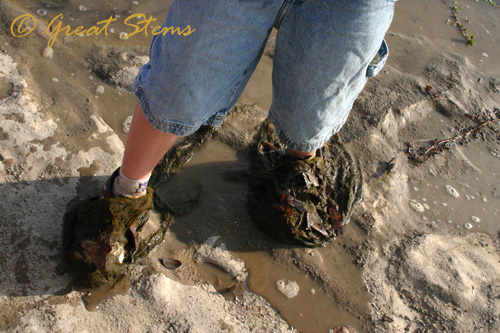 On the other side of the park, we could really envision the McKinney ranch of old.
 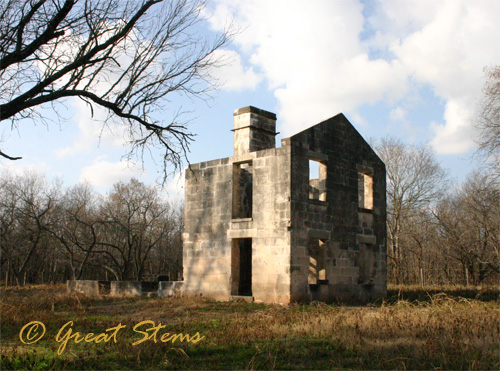 It's easy to picture horses pulling a wagon under the trees along this wide road.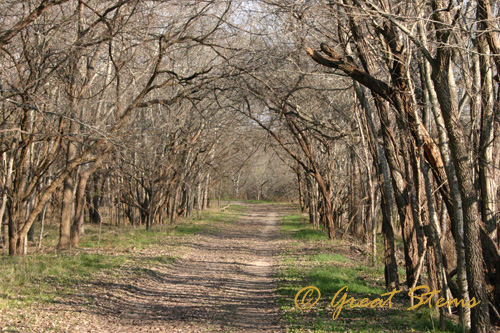



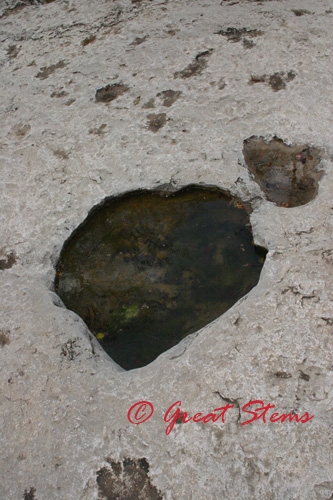

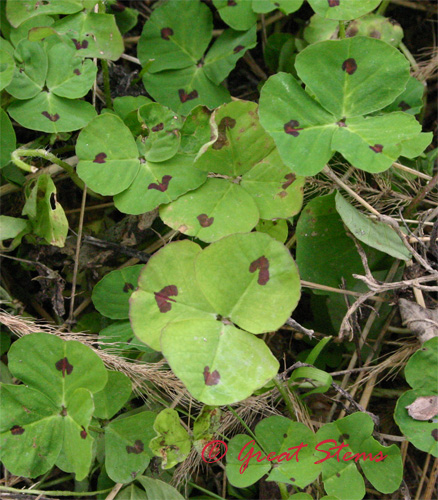

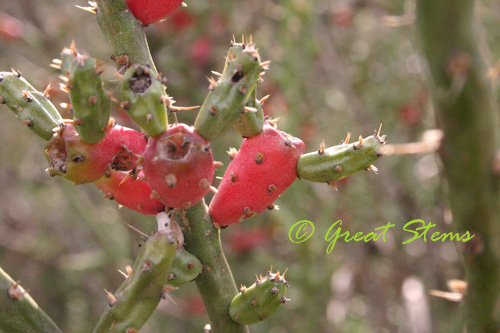
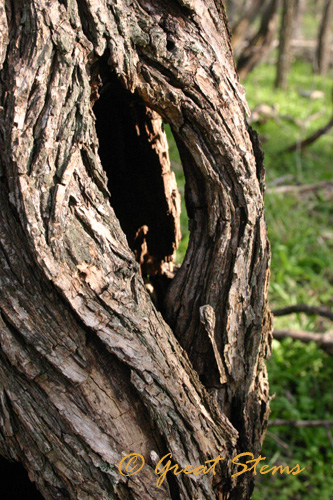
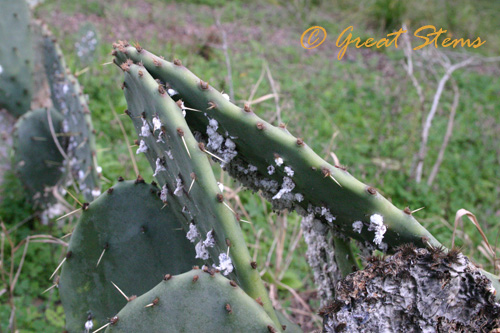
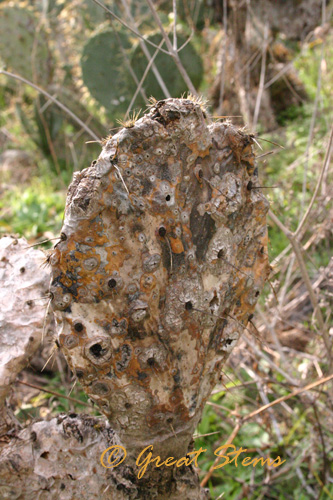
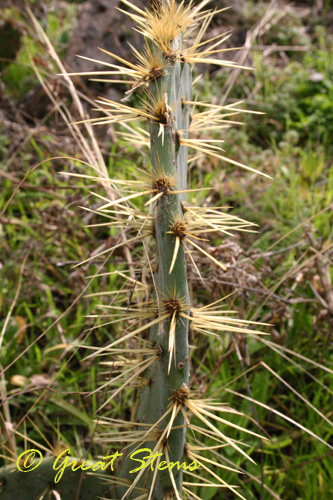 The cactus kept our attention, through color, shape, and spines. Sometimes it was pests, like cochineals...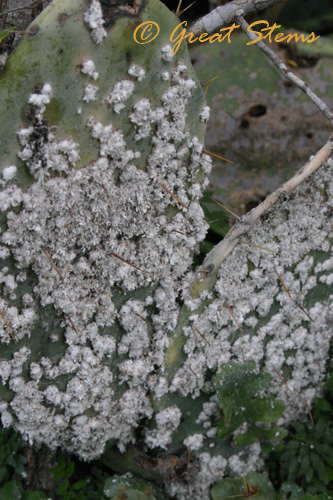
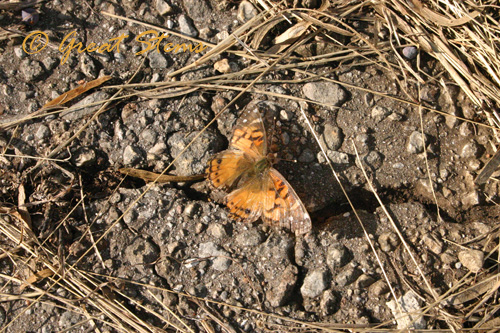

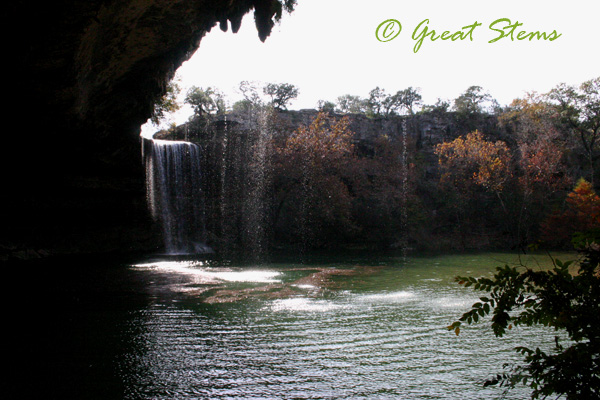
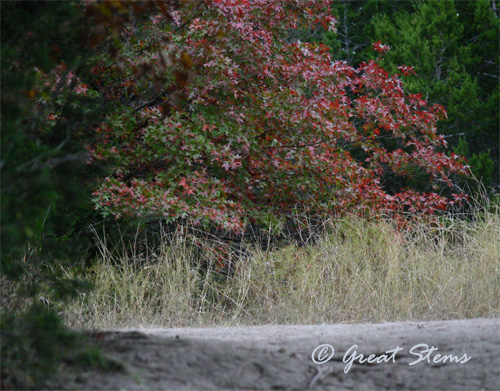
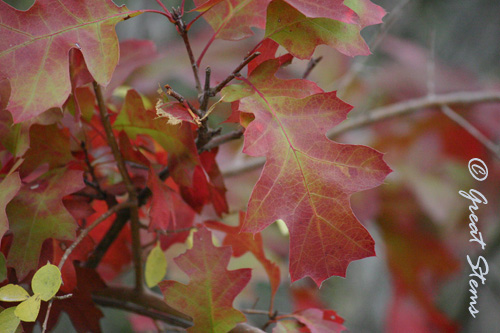
 And from the back, the autumn colors seem all the more vibrant.