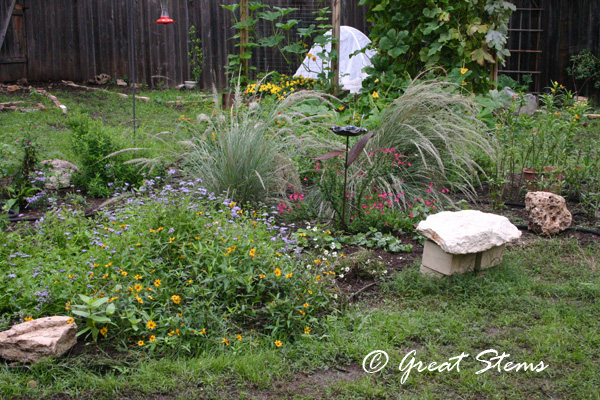
The drought is hitting Texas hard -- fires in West Texas, shriveled-up lakes, suffering wildlife, and many a plant succumbing to the lack of water. But my drought-hardy natives are doing relatively fine, all things considered. The garden has toughened up for the hot summer -- it has had to, because I'm just not a person to water much. Sure, the plants would look more lush if we had rain, but lush doesn't matter in a drought. Surviving does.
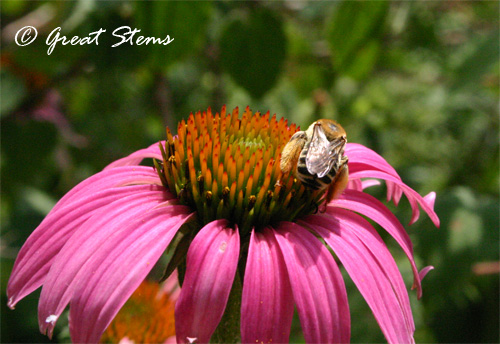
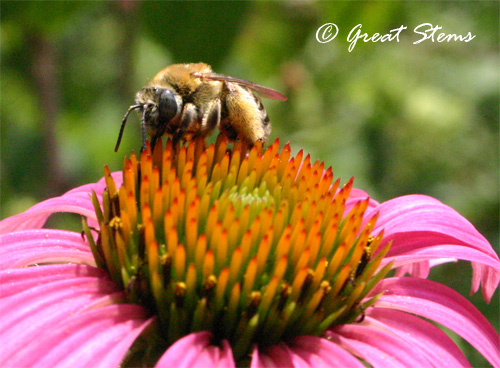
The butterflies have been relatively few this year so far, thanks to the drought, but the bees have been plentiful. We've seen more native bees than ever, and even our bee boxes are getting used -- yippee. In particular, the wood ones in the shade are popular. The bamboo box is in the sun and to my knowledge has not been visited by any creature, bee or otherwise.
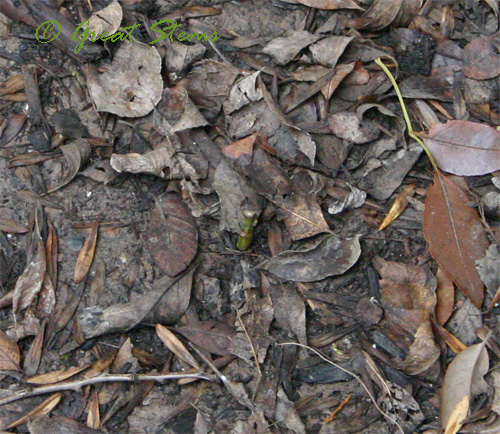
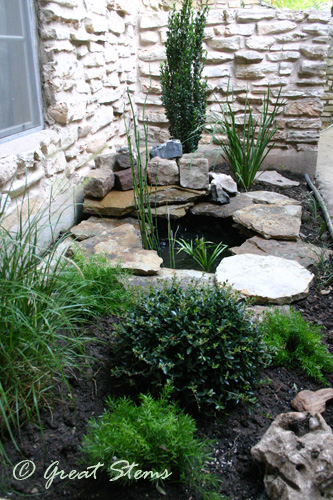
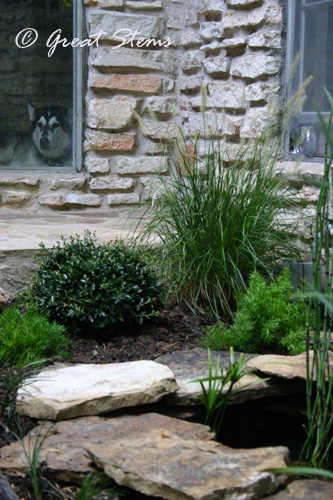
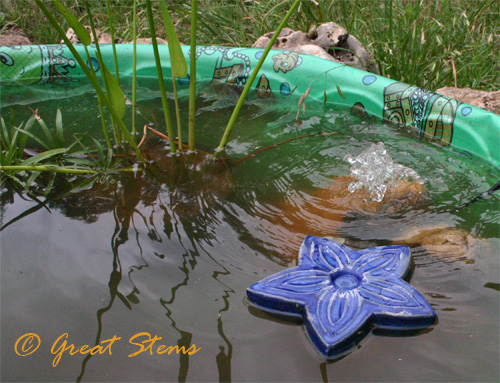
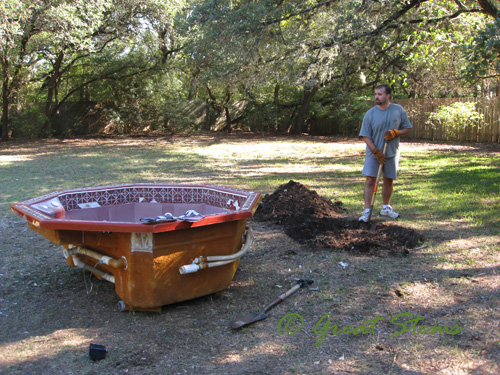
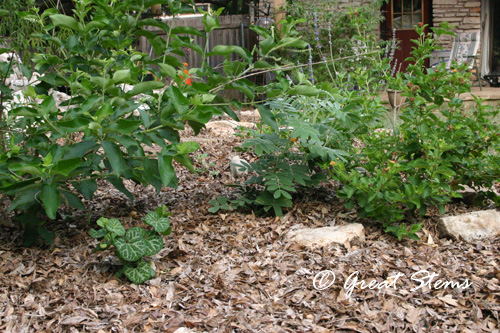 We've been adding plants around the raised hot-tub pond, bringing the dirt up in a sort of berm. I know it doesn't look like much at the moment, but it will transform over time. As the plants grow, the pond will have a backdrop of taller evergreens, and the berm itself will be covered in wildlife-friendly plants of all shapes, colors, and sizes. The leaves you see are used as mulch -- they are doing an excellent job of keeping any weeds under control and keeping the soil moist, and they are freeeeeeeee.
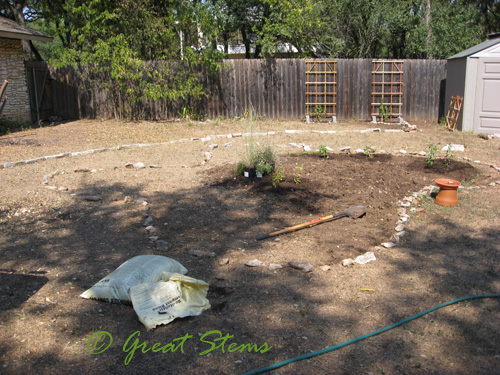
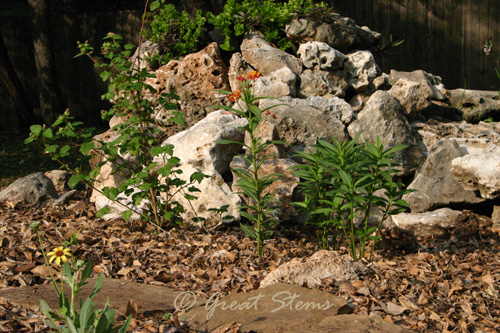 To build the berm, we used the dirt that had been dug out to form our still fantastic sun garden pathway. Amazingly, we still have at least half of the dirt left even after creating the berm -- this will become additional contour somewhere else in the yard, most likely. Actually, I should back up in this story -- first we dug out ugly Bermuda grass from around the pond, covered the area with cardboard and newspaper, and THEN built the berm. We also mixed in some well-needed compost.
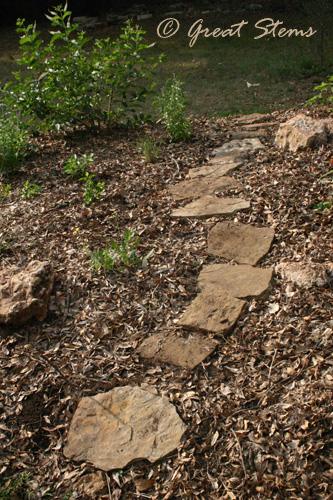
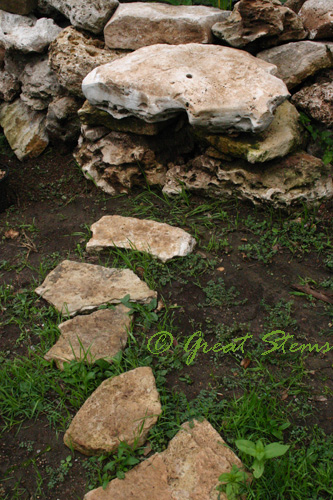
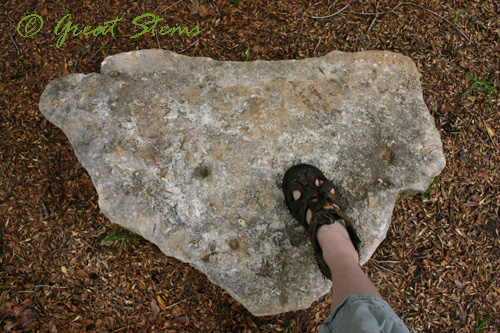
Leftover flagstone from the patio project became a pathway across the berm.
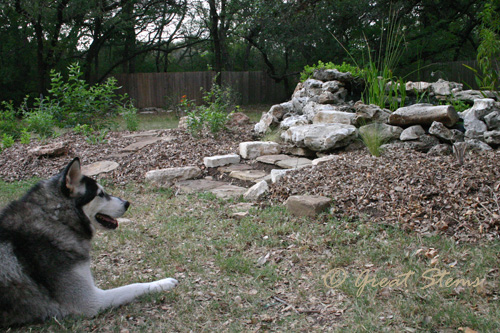
Leftover flagstone was also used to create steps to the built-in pond bench. I plan to refine the steps, but they're a start. You can see that we don't water grass. Bit by bit the Bermuda grass is dying out, and the Buffalo Grass is naturally taking over, particularly in the back half of the yard. This patch is still mostly Bermuda, though -- die, die, die.
<Momentary pause as I observe all the mockingbirds visiting the birdbath in the front. Usually I see all the other songbirds visiting but not mockingbirds. Today they seem to be staking claim, those naughty birds. I wonder if the backyard birdbaths are dry. Or perhaps (and more likely) the shaded birdbath has cooler water. Hmmmm, I'll revisit the water source locations, I guess.>
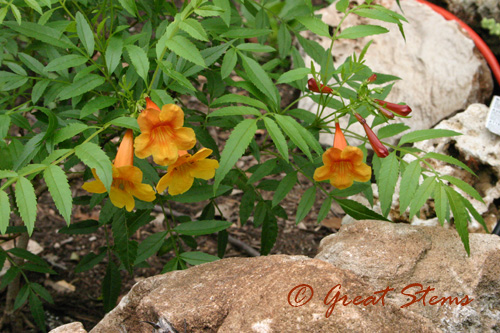
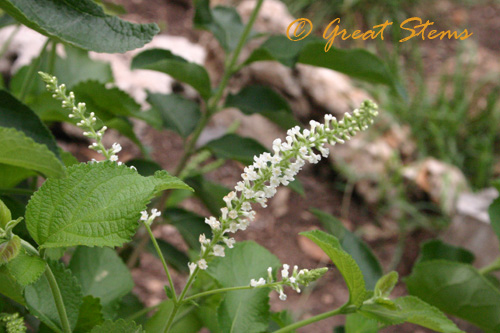
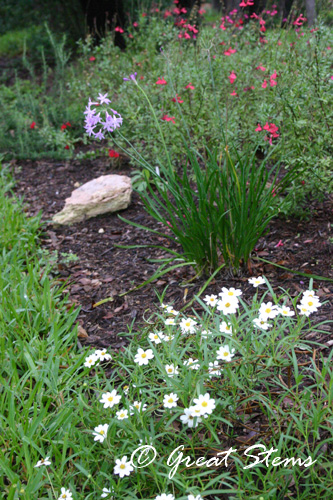
I've been transplanting plants to the berm from around the garden, and amazingly they've done well despite the transplant (organic seaweed during planting helps). The Texas Lantana is happier than ever before, not doing well in its first location near the pond pre-berm. We've got Lindheimer's Senna, Mealy Blue Sage, Gregg's MIstflower, Chocolate Daisy, Blackfoot Daisy, Milkweed, Missouri Primrose, Basket Grass, Engelmann's Crag Lily, Flame Acanthus, Rock Rose, the world's tiniest Evergreen Sumac, and non-native Almond Verbena and Dutchman's Pipevine, with lots more to come once fall rolls around.
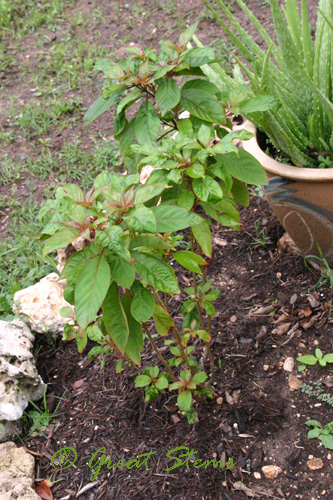
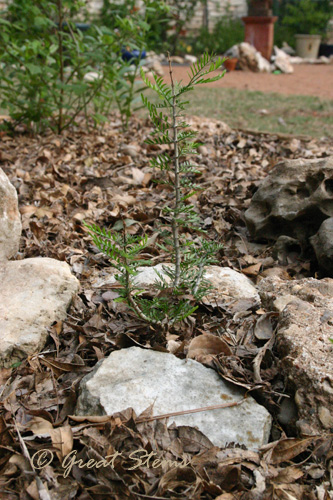 Above is a young Soapbush, Guaiacum angustifolium. It was a treasured find at the last fall Wildflower Center sale, but I didn't get it in the ground right away and I'd almost given it up for dead by the time we made it to spring. However, just look at it now. It seems quite happy in the berm. Someday it will have the most adorable purple flowers.
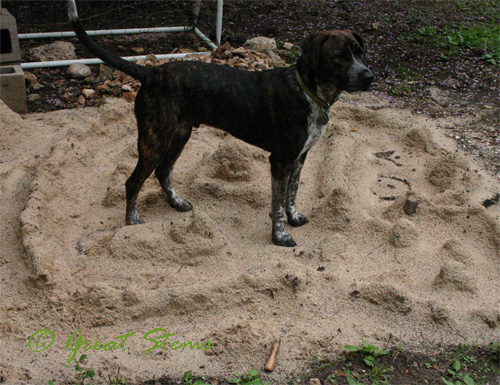
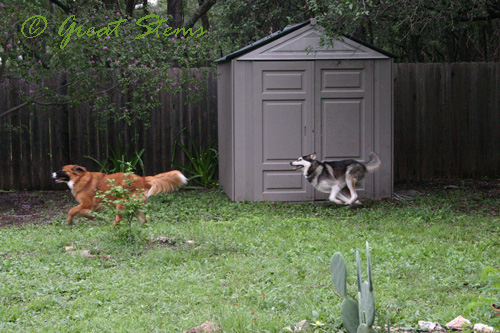
The wildlife moved in immediately -- always a sign that we are doing something right. The sparrows flew in to see what seeds they could find in the freshly placed soil. Doves walked up the berm, and then they walked down the berm, almost like ducklings in a row. Skippers and hairstreaks and swallowtails and bees arrived to visit new blooms.The dogs love it, too. They've got a new obstacle to run laps around, and they're actually using the flagstone path to cross the berm... most of the time.
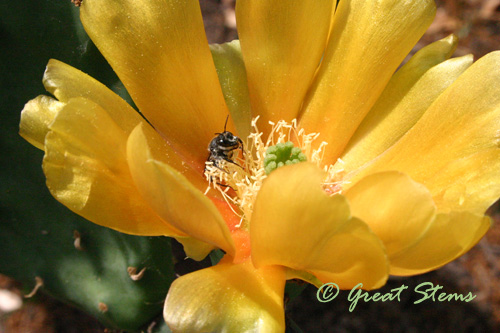
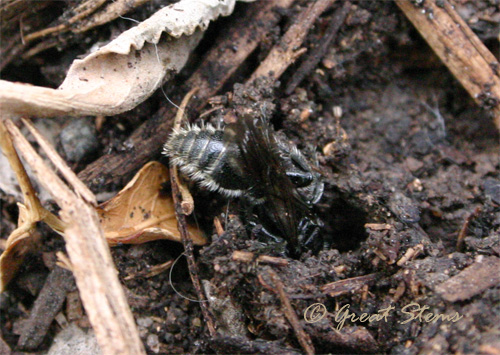 And look, a little mining bee began to work on a nest in a patch of bare earth.
The drought is terrible, but there is hope for the garden. Given that the birdbaths and ponds have constant avian traffic, I know the drought is really rough on the wildlife right now. We even had a doe visit the front yard birdbath for the first time yesterday -- I've never seen one venture this close to the house before, so she must have been really desperate.
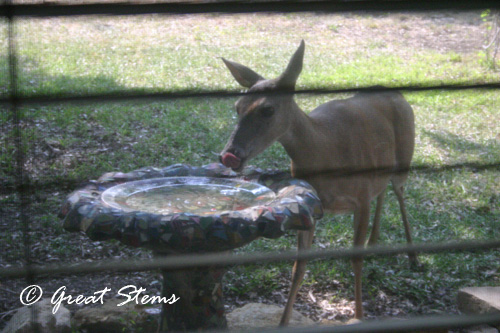 You can see her ribs, poor little skinny thing. I don't mind the deer, but I make sure to not directly feed them (I plant unpalatable plants in the front). Without natural predators, there also isn't a natural balance to the ecosystem as would be found in the wild -- no population check. But that doesn't mean my heart doesn't go out to them during times like these. She can drink water from the birdbath if she likes.
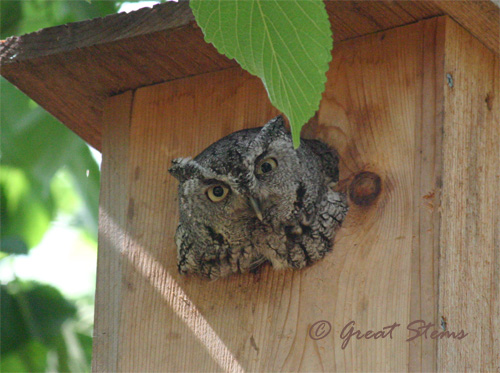
I do have to post a picture of my friend and neighbor Jan's screech owl babies. I imagine they've fledged by now, but as soon as I heard about them, I zipped down for a picture. A-dor-a-ble!
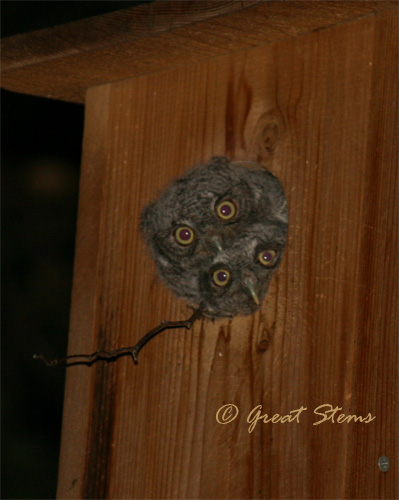 That makes two successful nests in the neighborhood this year! My husband made the boxes for Jan and for our own backyard owls following the Audubon building plans. We'll tweak the design a little next time for easier access for cleaning, but otherwise, they are obviously good nest box designs.
I leave you with a parting image of a House Finch watching a sunflower seed fall.
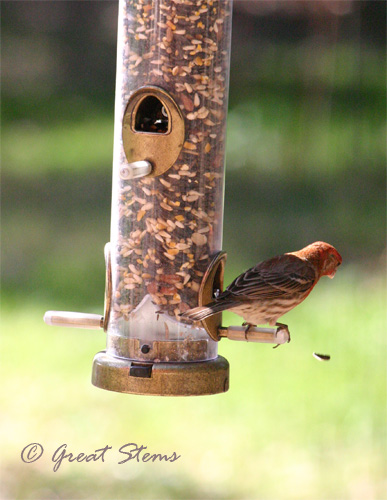 Oh, well, little finch, rest assured it won't go to waste. There will be plenty of birds happy to collect it from below.
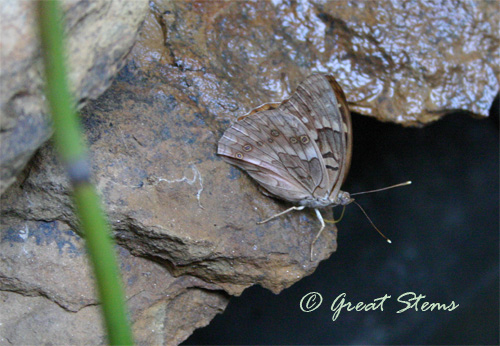
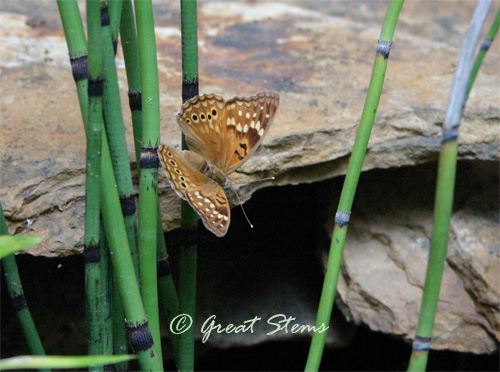
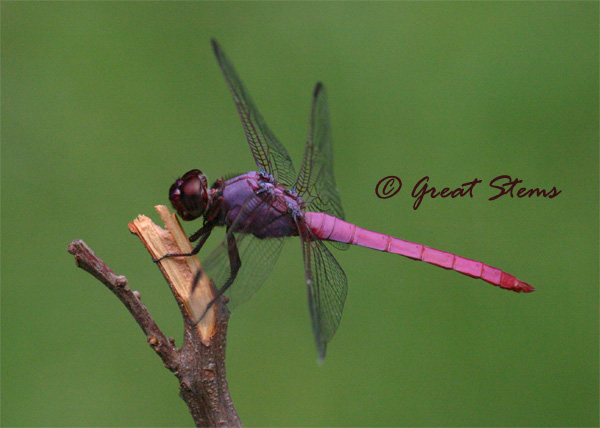
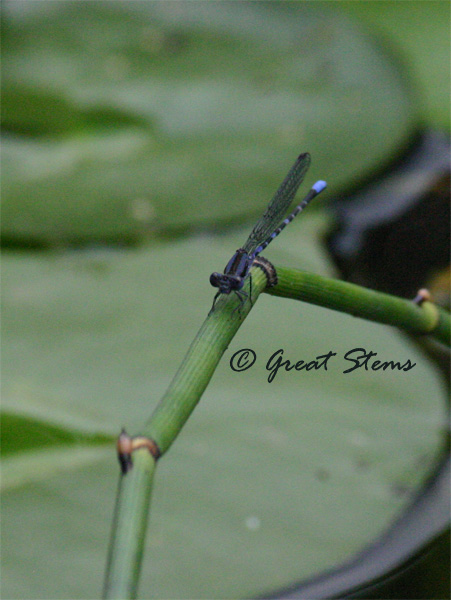
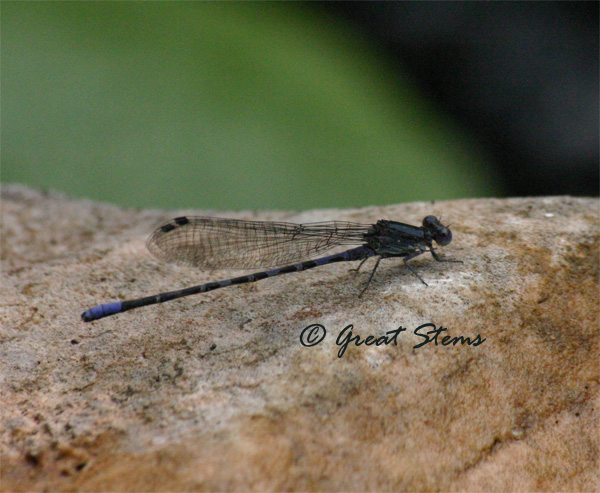
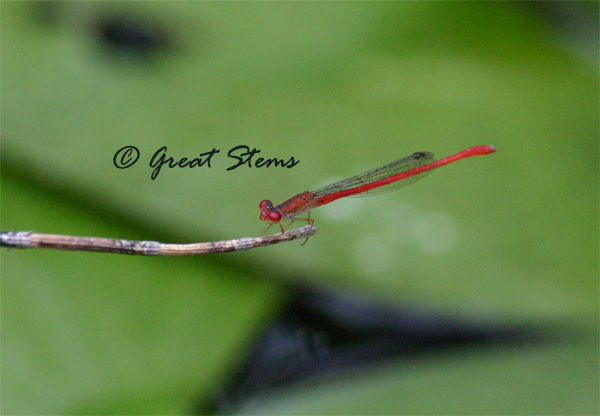
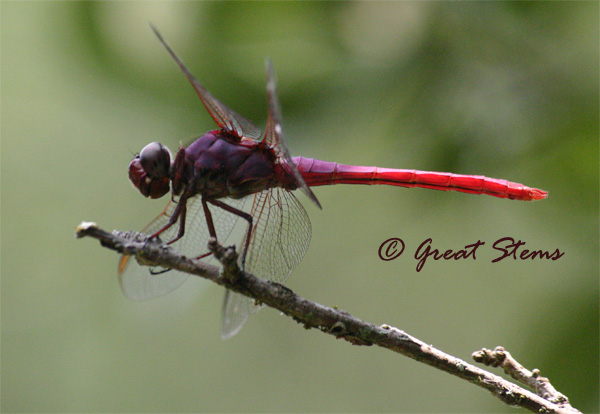 I find it interesting that the damselflies linger around the pond far more than the dragonflies do. The dragonflies like to perch on branches, rocks, broken sticks, and the top of the cattle panel I use to keep the dogs off some seedlings. I don't ever see them just resting around the pond.
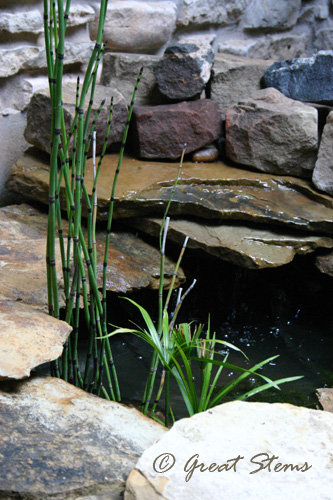
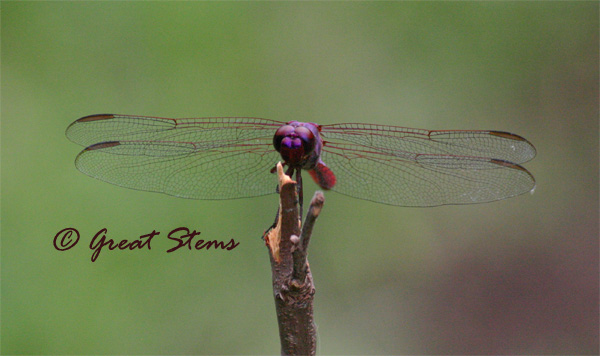 The damselflies, on the other hand, find the pond their favorite resting spot, be it on lily pads, Horsetail, or the surrounding limestone. Here's where my confidence in IDing the little but mighty predators goes to nill, other than to call them damselflies because their wings align with their body at rest.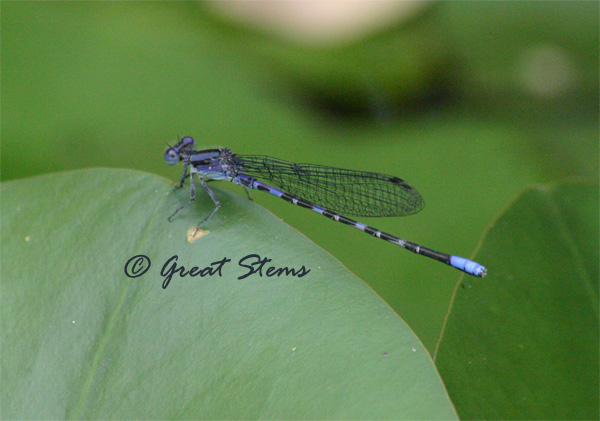
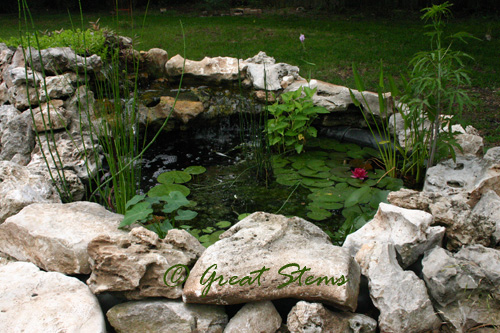
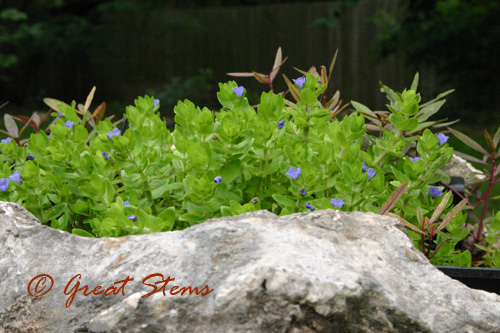
 This includes Horsetail Reed, Cardinal Flower, Common Rush, two native water lilies, and this Lizard's Tail, which is rapidly becoming a favorite of mine.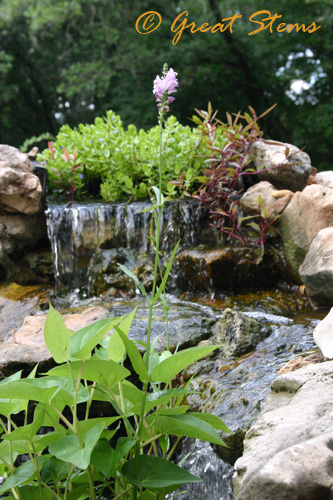
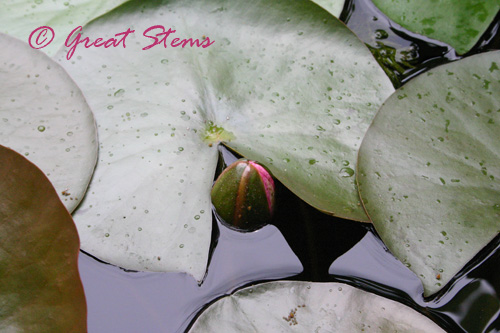
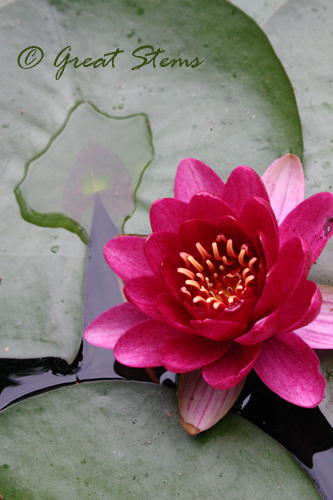
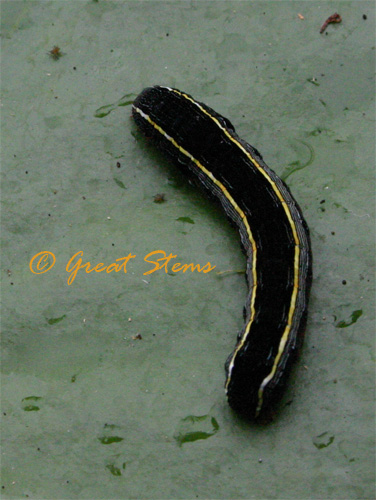
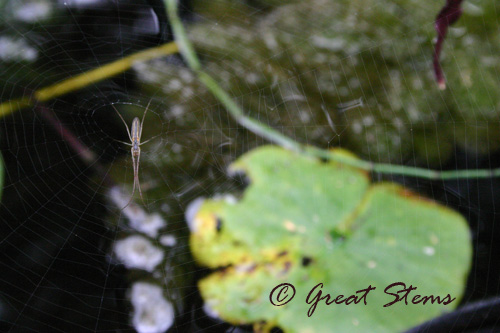
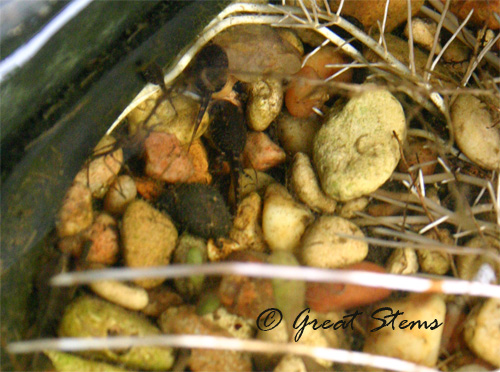
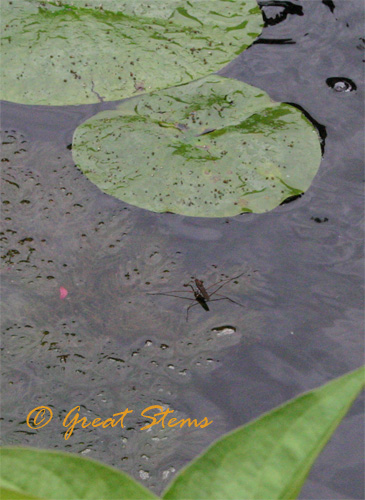 We're far enough away from any other source of water that I can only imagine some eggs came with my native water plant purchases back at the Wildflower Center sale.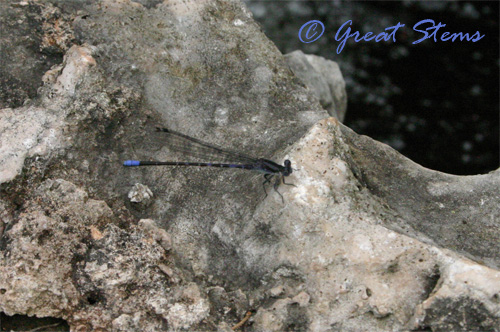
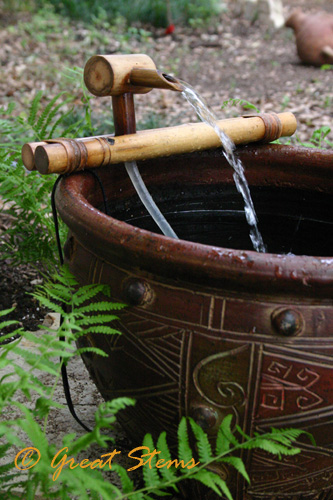
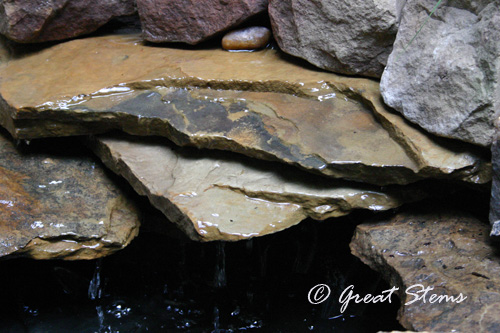
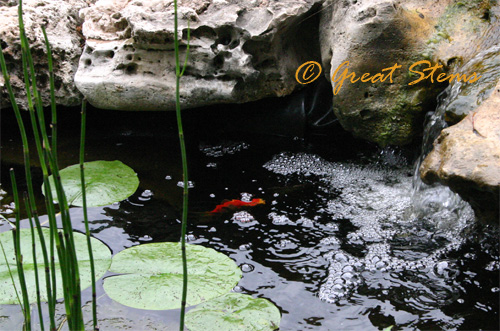
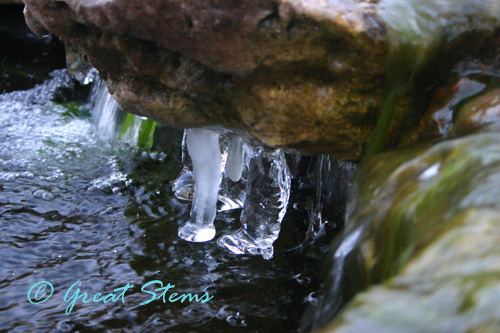
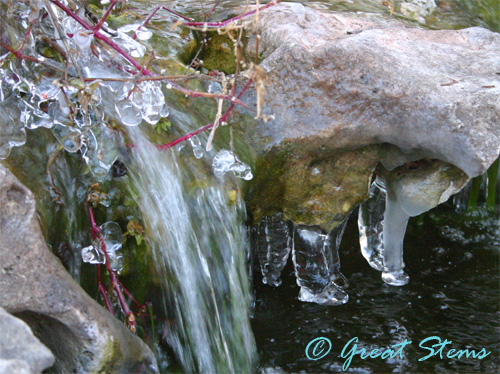 It's been a relatively dry cold front, but doggy water bowls, birdbaths, and ponds still show us the effects of the temperature drop. I thought our pond would be fine, given that it has a substantial waterfall, but I was surprised to find fat icicles hanging like stalactites under the falls.
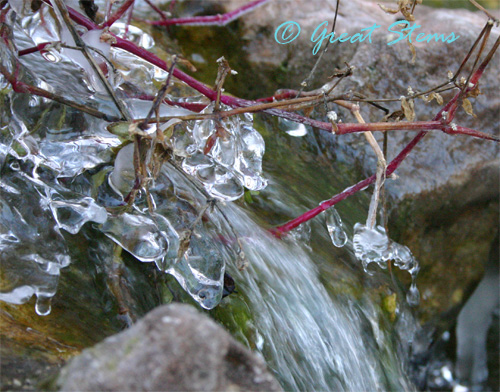
 On the side of the pond where the lilies hang out in better temperatures, a thin icy cover delighted the kids, who poked at an edge to crack it and discovered their fingers didn't care for the freezing water. And in the remaining bits of Ruby Red Runner, full frozen water drops glittered like diamonds in the sun.
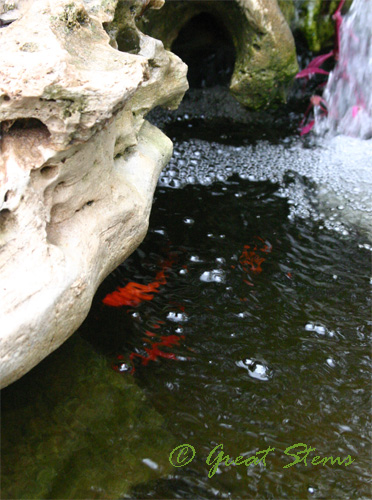
 I hope in the deep areas of the pond, we still have 9 little goldfish awaiting warmer times.
 There's a lot more to our yard than what you see here, and I invite you to
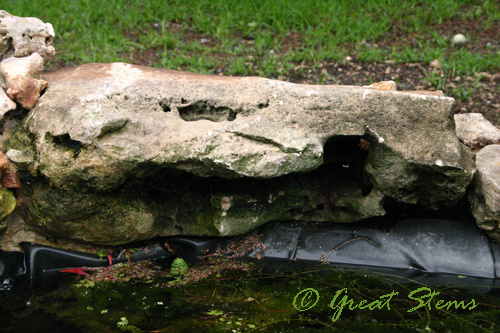
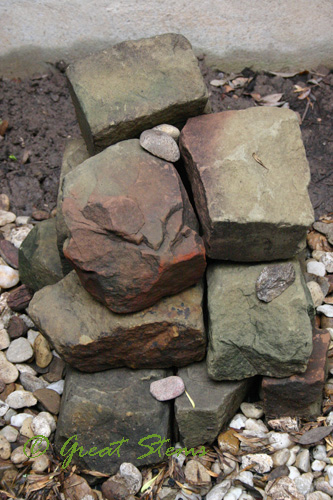
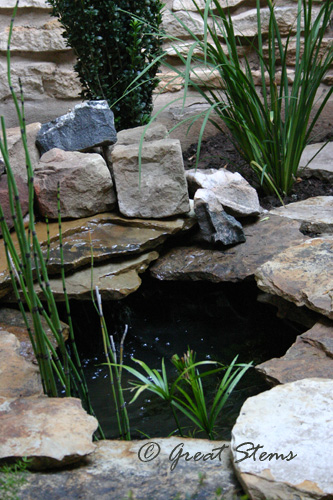
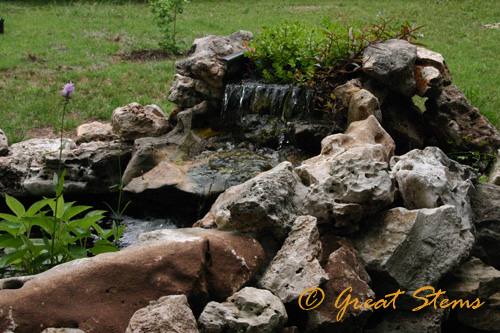
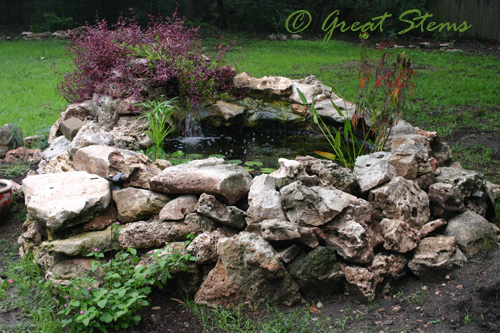
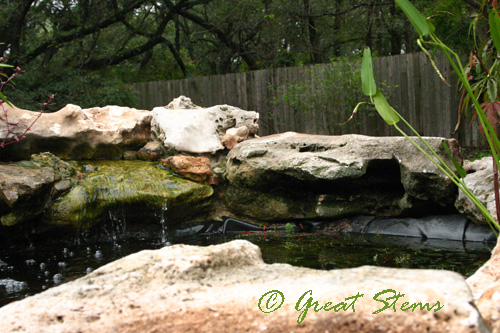 The rocks forming the back wall of the waterfall actually look like the back of an alligator -- I forgot to get an angled shot to show you that a little better, but I'll do that another time. Now I just need to figure out where to put my dwarf papyrus.